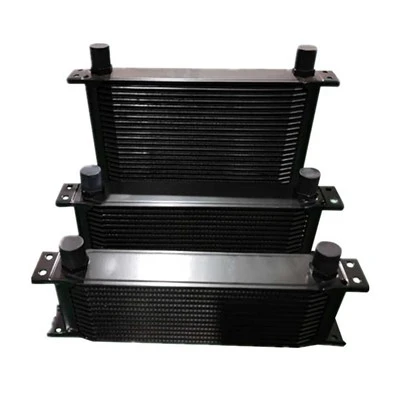
As a reputable American car radiator supplier, I've encountered numerous customers facing issues between the radiator and heater core in their American cars. These components are crucial for the vehicle's cooling system and interior heating, respectively. When problems arise, it can lead to overheating, poor heating, and even engine damage. In this blog, I'll share some insights on how to troubleshoot these issues effectively.
Understanding the Basics
Before diving into troubleshooting, it's essential to understand the roles of the radiator and heater core. The radiator is responsible for cooling the engine by dissipating heat from the coolant. It consists of a series of tubes and fins that allow air to flow through and remove heat. The heater core, on the other hand, is a small radiator-like device that uses hot coolant from the engine to heat the cabin. It's connected to the vehicle's ventilation system, which blows air over the heater core to distribute warm air inside the car.
Common Issues and Troubleshooting Steps
1. Overheating
One of the most common problems is engine overheating, which can be caused by issues with the radiator or heater core. Here's how to troubleshoot:
- Check the Coolant Level: Low coolant levels can prevent the radiator from effectively cooling the engine. Open the radiator cap (only when the engine is cold) and check the coolant level. If it's low, add the appropriate coolant mixture. Make sure to use the coolant recommended by the vehicle manufacturer.
- Inspect for Leaks: Look for signs of coolant leaks around the radiator, heater core, hoses, and connections. A leak can cause a loss of coolant, leading to overheating. If you find a leak, you may need to replace the damaged component or repair the leak.
- Check the Radiator Fan: The radiator fan helps to draw air through the radiator, especially when the vehicle is stationary or moving at low speeds. If the fan is not working properly, the radiator may not be able to cool the coolant effectively. Check the fan motor, relay, and wiring for any signs of damage or malfunction.
- Flush the Radiator: Over time, the radiator can become clogged with dirt, debris, and rust, reducing its cooling efficiency. Flushing the radiator can help remove these contaminants and improve its performance. You can use a radiator flush kit or a mixture of water and vinegar to clean the radiator.
2. Poor Heating
If you're experiencing poor heating in your car, the heater core may be the culprit. Here's what you can do:


- Check the Heater Controls: Make sure the heater controls are set to the correct temperature and fan speed. Sometimes, a simple adjustment can solve the problem.
- Inspect the Heater Core Hoses: Check the hoses connected to the heater core for any signs of blockage or leaks. A blocked hose can prevent hot coolant from flowing through the heater core, resulting in poor heating. If you find a blockage, you may need to flush the hoses or replace them.
- Flush the Heater Core: Similar to the radiator, the heater core can also become clogged with dirt and debris. Flushing the heater core can help remove these contaminants and improve its heating performance. You can use a heater core flush kit or a mixture of water and vinegar to clean the heater core.
- Check the Blend Door: The blend door is a component in the HVAC system that controls the amount of hot and cold air entering the cabin. If the blend door is not working properly, it can affect the heating performance. You may need to have the blend door inspected and repaired by a professional mechanic.
3. Strange Noises
Strange noises coming from the radiator or heater core can indicate a problem. Here's how to troubleshoot:
- Check for Air in the System: Air bubbles in the coolant system can cause gurgling or hissing noises. To remove air from the system, you can use a bleed valve or follow the bleeding procedure recommended by the vehicle manufacturer.
- Inspect the Water Pump: A failing water pump can cause a whining or grinding noise. Check the water pump for any signs of damage or wear, such as leaks or loose belts. If the water pump is faulty, it may need to be replaced.
- Check the Fan Belt: A loose or worn fan belt can cause a squealing noise. Inspect the fan belt for any signs of damage or wear, and adjust or replace it if necessary.
When to Seek Professional Help
While some radiator and heater core issues can be resolved through DIY troubleshooting, there are times when it's best to seek professional help. Here are some situations where you should consider taking your car to a mechanic:
- Complex Repairs: If you're not comfortable working on your car's cooling system or if the problem seems too complex to fix on your own, it's best to have a professional mechanic diagnose and repair the issue.
- Warranty Concerns: If your car is still under warranty, it's important to have any repairs done by an authorized dealer or mechanic to avoid voiding the warranty.
- Safety Concerns: Working on your car's cooling system can be dangerous, especially if you're not familiar with the proper procedures. If you're unsure about how to safely perform any repairs, it's best to leave it to the professionals.
Our Products
As an American car radiator supplier, we offer a wide range of high-quality radiators and heater cores for various American car models. Our products are designed to meet or exceed the original equipment specifications, ensuring optimal performance and reliability. Here are some of our popular products:
- Mustang Aluminum Radiator: Our Mustang aluminum radiators are made from high-quality aluminum, which offers excellent heat dissipation and corrosion resistance. They are available in different sizes and configurations to fit various Mustang models.
- Aluminum Radiator Chevy: Our Chevy aluminum radiators are designed to provide superior cooling performance for Chevy vehicles. They are built to withstand the rigors of daily driving and are available in a variety of styles and finishes.
- Obs Chevy Aluminum Radiator: Our OBS (Old Body Style) Chevy aluminum radiators are specifically designed for older Chevy models. They offer improved cooling efficiency and are a great upgrade for your classic Chevy.
Contact Us for Procurement
If you're experiencing issues with your car's radiator or heater core, or if you're interested in purchasing our high-quality American car radiators and heater cores, we're here to help. Our team of experts can provide you with the guidance and support you need to make the right decision. Contact us today to discuss your procurement needs and let's work together to keep your American car running smoothly.
References
- Haynes Repair Manuals
- Chilton Repair Manuals
- Vehicle Manufacturer's Service Manuals