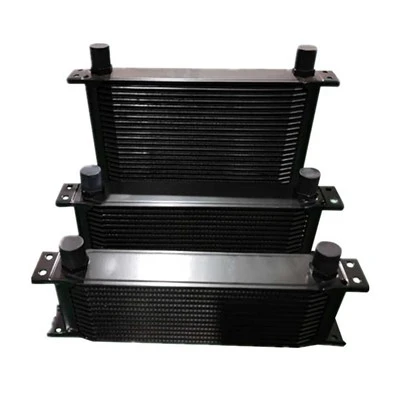
Hey there, racing enthusiasts and radiator buffs! I'm an aluminum racing radiator supplier, and I know how crucial it is to have a high - performing radiator in your racing machine. Today, I'm gonna walk you through how to test the performance of an aluminum racing radiator.
Why Aluminum Racing Radiators?
First off, let's talk about why aluminum is the go - to material for racing radiators. Aluminum is lightweight, which is a huge plus in racing where every pound matters. It also has excellent heat transfer properties, meaning it can cool the engine coolant more efficiently than some other materials. There are some top - notch brands out there like Koyo Aluminum Racing Radiator, Griffin Aluminum Racing Radiator, and Summit Racing Aluminum Radiator. These brands are known for their quality and performance in the racing world.


Pre - Test Checks
Before you start testing, you need to do a few pre - test checks. First, visually inspect the radiator for any signs of damage, like dents, leaks, or bent fins. A damaged radiator won't perform as well as it should. Check the coolant level too. You want to make sure it's at the right level and that there are no signs of contamination. If the coolant looks dirty or has an odd color, it might be time for a flush.
Flow Rate Test
One of the key factors in radiator performance is the flow rate of the coolant. To test the flow rate, you'll need a flow meter. You can connect the flow meter to the radiator's inlet or outlet hose. Start the engine and let it reach operating temperature. Then, measure the flow rate of the coolant. A good flow rate indicates that the coolant is moving through the radiator efficiently, which is essential for proper cooling.
The ideal flow rate can vary depending on the engine size and the radiator design. Generally, you want a decent, consistent flow. If the flow rate is too low, it could mean there's a blockage in the radiator or the water pump isn't working properly. On the other hand, an extremely high flow rate might not allow enough time for the coolant to transfer heat to the radiator fins.
Heat Transfer Test
The main job of a radiator is to transfer heat from the coolant to the air. To test the heat transfer efficiency, you'll need a couple of temperature sensors. Place one sensor on the inlet hose and another on the outlet hose. Start the engine and let it run for a while until it reaches a stable operating temperature.
Measure the temperature difference between the inlet and the outlet. A larger temperature difference means the radiator is doing a better job of transferring heat. You can also use an infrared thermometer to measure the surface temperature of the radiator fins. The fins should be relatively cool, indicating that they're effectively dissipating heat.
Pressure Test
A pressure test is important to check for any leaks in the radiator. You'll need a radiator pressure tester. Attach the tester to the radiator cap opening and pump it up to the recommended pressure, which is usually specified by the radiator manufacturer.
Let the radiator sit under pressure for a few minutes and look for any signs of leaks. If you see coolant dripping or pooling anywhere, there's a leak. Leaks can not only reduce the radiator's performance but also lead to engine overheating and other problems.
Airflow Test
Proper airflow through the radiator is crucial for cooling. You can use an anemometer to measure the airflow across the radiator. Place the anemometer in front of the radiator at different points and take readings.
A good radiator should have a consistent and sufficient airflow. If the airflow is blocked by debris, a damaged fan, or a poorly designed air intake system, the radiator won't be able to cool the coolant effectively. Make sure the radiator is properly aligned with the fan and that there are no obstructions in the air path.
Real - World Testing
All these tests are great in a controlled environment, but real - world testing is also important. Take your race car out on the track and monitor the engine temperature. Use an engine temperature gauge or a data logging system to record the temperature over time.
Pay attention to how the engine behaves under different conditions, like during acceleration, braking, and high - speed runs. If the engine starts to overheat, it could be a sign that the radiator isn't performing up to par.
Interpreting the Results
Once you've completed all the tests, it's time to interpret the results. If all the test results are within the expected range, then your radiator is in good shape. However, if you notice any issues, like low flow rate, poor heat transfer, leaks, or insufficient airflow, you'll need to take action.
For example, if there's a blockage causing a low flow rate, you might need to flush the radiator. If there's a leak, you'll have to repair or replace the damaged part.
Conclusion
Testing the performance of an aluminum racing radiator is a multi - step process, but it's well worth it. A high - performing radiator can mean the difference between a successful race and a mechanical failure. As a supplier, I've seen firsthand how a well - tested radiator can keep an engine running cool and strong.
If you're in the market for a new aluminum racing radiator or have any questions about testing your current one, don't hesitate to reach out. We're here to help you make the best choice for your racing needs. Whether you're a professional racer or a weekend warrior, having a reliable radiator is essential. So, let's work together to ensure your engine stays cool and your racing experience is top - notch.
References
- "Automotive Cooling Systems" by Jack Erjavec
- Various technical manuals from radiator manufacturers.