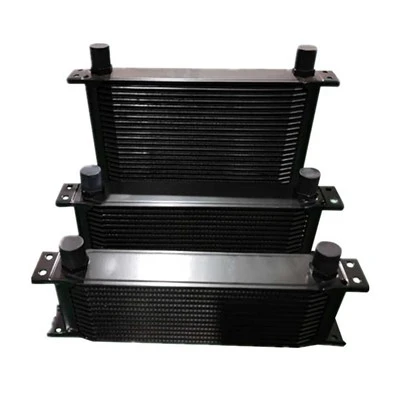
As a trusted supplier of high-quality aluminum intercoolers, I understand the importance of ensuring these components function properly. An efficiently working aluminum intercooler is crucial for enhancing engine performance, improving fuel efficiency, and extending the lifespan of your engine. In this blog, I'll share some effective methods to test if an aluminum intercooler is working as it should.
Visual Inspection
The first step in assessing an aluminum intercooler's functionality is a thorough visual inspection. Start by examining the exterior of the intercooler for any signs of physical damage. Look for dents, cracks, or holes in the intercooler core or the end tanks. These issues can lead to air leaks, which will significantly reduce the intercooler's effectiveness.
Also, check the Aluminum Intercooler Connector for any signs of wear or damage. Loose or damaged connectors can cause air to escape, resulting in decreased performance. If you notice any issues during the visual inspection, it's important to address them immediately. A small crack or hole may seem insignificant, but it can lead to major problems down the road.
Pressure Testing
Pressure testing is a reliable method to determine if an aluminum intercooler has any air leaks. To perform a pressure test, you'll need a pressure testing kit, which can be purchased from most automotive supply stores.
First, disconnect the intercooler from the engine and any other components. Then, connect the pressure testing kit to the intercooler's inlet and outlet ports. Apply pressure to the intercooler according to the manufacturer's instructions. Typically, you'll want to apply a pressure of around 15-20 psi.
Once the pressure is applied, carefully inspect the intercooler for any signs of air leakage. Listen for hissing sounds, which indicate that air is escaping. You can also use a soapy water solution to help detect leaks. Simply spray the soapy water on the intercooler's seams, connections, and any areas that you suspect may be leaking. If there are any leaks, bubbles will form at the site of the leak.
If you find any leaks during the pressure test, you'll need to repair or replace the intercooler. Small leaks can sometimes be repaired using a high-temperature epoxy or a specialized intercooler repair kit. However, if the damage is extensive, it's usually best to replace the intercooler.
Temperature Testing
Another important aspect of testing an aluminum intercooler is to measure its ability to cool the compressed air. This can be done by performing a temperature test.
To conduct a temperature test, you'll need an infrared thermometer. Start by taking the temperature of the compressed air entering the intercooler. This can be done by placing the infrared thermometer near the intercooler's inlet port. Record this temperature.
Next, take the temperature of the air exiting the intercooler. Place the infrared thermometer near the intercooler's outlet port and record the temperature.
The difference between the inlet and outlet temperatures is known as the temperature drop. A properly functioning aluminum intercooler should have a significant temperature drop. Generally, a temperature drop of 50-100 degrees Fahrenheit is considered normal.
If the temperature drop is lower than expected, it could indicate that the intercooler is not working efficiently. This could be due to a variety of factors, such as a clogged intercooler core, a damaged fan, or a problem with the coolant system.
To troubleshoot the issue, you can start by inspecting the intercooler core for any signs of blockage. If the core is clogged with dirt, debris, or oil, it can restrict the flow of air and reduce the intercooler's cooling efficiency. You can clean the intercooler core using a high-pressure air compressor or a specialized intercooler cleaning solution.
If the intercooler core is clean and the temperature drop is still low, you may need to check the fan and the coolant system. Make sure the fan is functioning properly and that the coolant is flowing through the intercooler at the correct rate.


Flow Testing
Flow testing is another method to evaluate the performance of an aluminum intercooler. This test measures the amount of air that can flow through the intercooler at a given pressure.
To perform a flow test, you'll need a flow bench, which is a specialized piece of equipment used to measure the airflow through an object. Connect the intercooler to the flow bench and apply a specific pressure. The flow bench will then measure the volume of air that passes through the intercooler.
Compare the measured airflow to the manufacturer's specifications. If the airflow is significantly lower than the recommended value, it could indicate that the intercooler is restricted or damaged.
There are several factors that can cause a reduction in airflow, such as a clogged intercooler core, a damaged inlet or outlet pipe, or a problem with the turbocharger. To address the issue, you'll need to identify the source of the restriction and take appropriate action.
Performance Testing on the Vehicle
Finally, one of the best ways to test if an aluminum intercooler is working properly is to perform a performance test on the vehicle. This involves driving the vehicle under normal conditions and monitoring its performance.
Pay attention to the engine's power output, acceleration, and fuel efficiency. A properly functioning intercooler should improve the engine's performance by providing cooler, denser air. You should notice a difference in the vehicle's acceleration and overall power.
If you don't notice any improvement in performance after installing a new intercooler, it could indicate that the intercooler is not working correctly. In this case, you may need to repeat the above tests to identify and resolve the issue.
In conclusion, testing an aluminum intercooler is an important part of maintaining your vehicle's performance. By performing regular visual inspections, pressure tests, temperature tests, flow tests, and performance tests, you can ensure that your intercooler is working efficiently and effectively.
If you're in the market for a high-quality aluminum intercooler, we offer a wide range of products, including the All Aluminum Intercooler and the 3 Inch Intercooler Piping Kit. Our intercoolers are designed to provide maximum cooling efficiency and durability, ensuring optimal performance for your engine.
If you have any questions or would like to discuss your intercooler needs, please feel free to contact us. We're here to help you find the perfect intercooler solution for your vehicle.
References
- Automotive Engineering Handbook, various editions
- Manufacturer's manuals for aluminum intercoolers
- Online resources on automotive cooling systems and intercooler testing