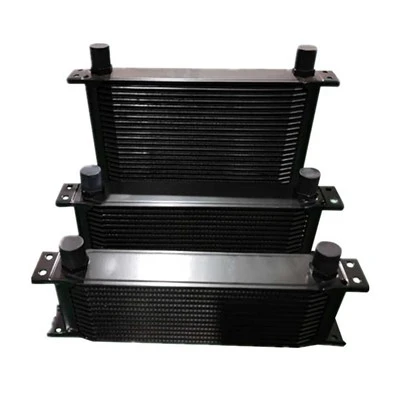
Hey there! As a supplier of aluminum intercooler cores, I've seen my fair share of clogs and know how frustrating they can be. A clogged intercooler core can seriously mess with your engine's performance, reducing power and efficiency. But don't worry, I'm here to share some tips on how to prevent clogging in an aluminum intercooler core.
Understanding the Causes of Clogging
First things first, let's talk about what causes clogs in an aluminum intercooler core. There are a few common culprits:

- Debris and Dirt: Over time, dirt, dust, leaves, and other debris can get sucked into the intercooler core. This debris can build up and block the airflow through the core, reducing its cooling efficiency.
- Oil and Grease: If there's an oil leak in your engine or the turbocharger, oil can make its way into the intercooler core. Oil and grease can stick to the fins and tubes of the core, creating a sticky surface that traps more debris.
- Corrosion: Aluminum is a relatively corrosion-resistant material, but it can still corrode over time, especially if it's exposed to harsh chemicals or salt. Corrosion can cause the fins and tubes of the intercooler core to become blocked, reducing airflow.
Preventive Maintenance
Now that we know what causes clogs, let's talk about how to prevent them. Here are some preventive maintenance tips that can help keep your aluminum intercooler core clean and functioning properly:
- Regular Inspections: Make it a habit to inspect your intercooler core regularly. Look for signs of debris, oil, or corrosion. If you notice any issues, address them promptly.
- Clean the Air Filter: A dirty air filter can allow more debris to enter the intercooler core. Make sure to clean or replace your air filter regularly to prevent this from happening.
- Use a Pre-Filter: Consider using a pre-filter on your air intake to catch larger debris before it reaches the intercooler core. This can help reduce the amount of debris that gets into the core and prevent clogs.
- Keep the Engine Clean: A clean engine is less likely to have oil leaks or other issues that can cause clogs in the intercooler core. Make sure to keep your engine clean and free of debris.
- Flush the Cooling System: Over time, coolant can break down and form deposits that can clog the intercooler core. Make sure to flush your cooling system regularly to prevent this from happening.
Cleaning the Intercooler Core
Even with regular preventive maintenance, your intercooler core may still get clogged from time to time. When this happens, it's important to clean it as soon as possible to prevent further damage. Here's how you can clean an aluminum intercooler core:
- Remove the Intercooler Core: Before you can clean the intercooler core, you'll need to remove it from your vehicle. This may require some basic tools and mechanical knowledge, so if you're not comfortable doing it yourself, you may want to take your vehicle to a professional mechanic.
- Inspect the Core: Once you've removed the intercooler core, inspect it for any signs of damage or excessive debris. If the core is severely damaged, it may need to be replaced.
- Clean the Core: There are a few different ways to clean an aluminum intercooler core. One method is to use a pressure washer to remove loose debris. Another method is to soak the core in a cleaning solution and then rinse it with water. Make sure to follow the manufacturer's instructions when using any cleaning products.
- Dry the Core: After you've cleaned the intercooler core, make sure to dry it thoroughly before reinstalling it. You can use a clean cloth or compressed air to dry the core.
- Reinstall the Core: Once the intercooler core is dry, reinstall it in your vehicle. Make sure to tighten all the bolts and connections securely.
Using Quality Components
In addition to regular maintenance and cleaning, using quality components can also help prevent clogging in an aluminum intercooler core. Here are some components that you should consider using:
- 3 Inch Intercooler Piping Kit: A high-quality intercooler piping kit can help ensure that the airflow through your intercooler core is smooth and unrestricted. This can help prevent debris from getting trapped in the core and reduce the risk of clogs.
- Aluminum Intercooler Connector: A good intercooler connector can help prevent leaks and ensure that the intercooler core is properly connected to the rest of the cooling system. This can help prevent oil and coolant from leaking into the core and causing clogs.
- Intercooler Aluminium: Using high-quality aluminum for your intercooler core can help ensure that it's durable and resistant to corrosion. This can help prevent the core from clogging due to corrosion.
Conclusion
Preventing clogging in an aluminum intercooler core is essential for maintaining the performance and efficiency of your engine. By following the tips outlined in this blog post, you can keep your intercooler core clean and functioning properly for years to come.
If you're in the market for a high-quality aluminum intercooler core or any of the components mentioned in this post, don't hesitate to reach out. We're here to help you find the right products for your needs and ensure that your engine runs smoothly. Contact us today to start the conversation and let's work together to keep your engine in top shape!
References
- "Automotive Intercooler Design and Performance." SAE International.
- "Maintenance and Troubleshooting of Automotive Cooling Systems." Chilton's Automotive Repair Manual.