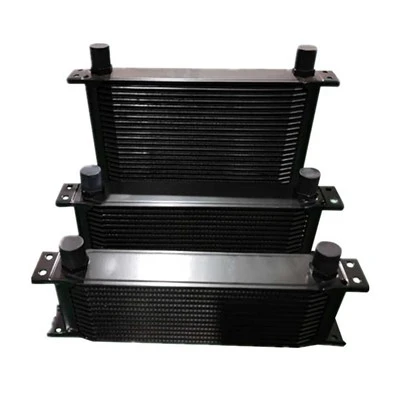
Hey there, car enthusiasts! If you're in the market for a used Japanese car radiator, you've come to the right place. As a Japanese car radiator supplier, I've seen it all when it comes to these essential components. In this blog post, I'll share some tips on how to inspect a used Japanese car radiator before buying to ensure you're getting a quality product.
Why Inspect a Used Radiator?
First off, let's talk about why it's so important to inspect a used radiator. A radiator plays a crucial role in your car's cooling system. It helps regulate the engine's temperature by dissipating heat from the coolant. If the radiator is in poor condition, it can lead to overheating, which can cause serious damage to your engine. So, taking the time to inspect a used radiator can save you from costly repairs down the road.
Visual Inspection
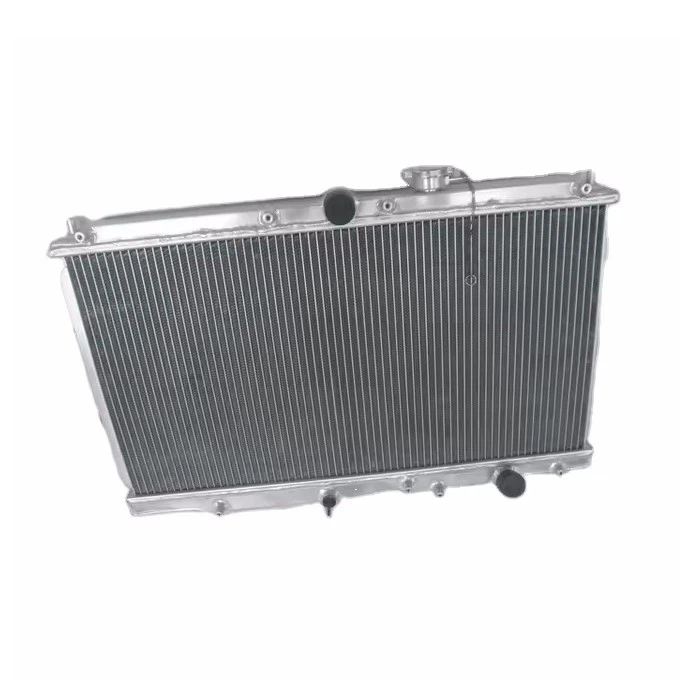
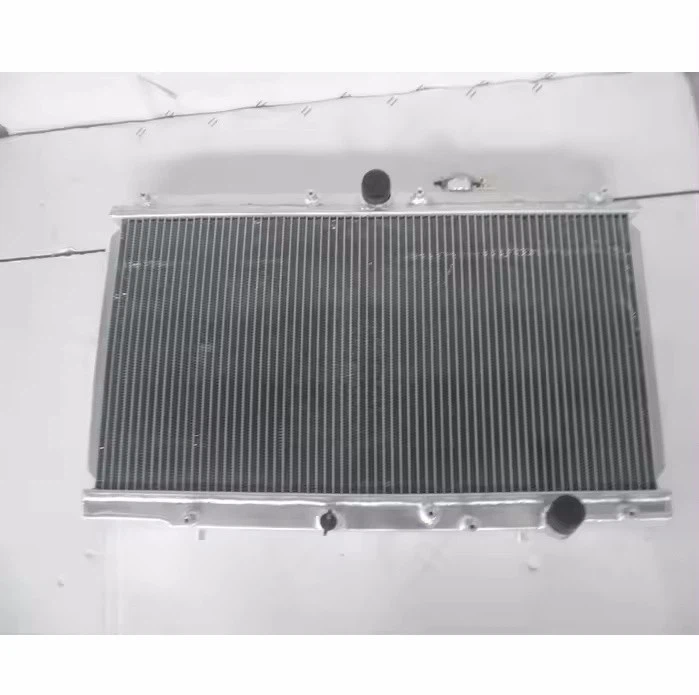
The first step in inspecting a used Japanese car radiator is a visual check. Start by looking for any obvious signs of damage, such as cracks, leaks, or dents. Cracks can allow coolant to leak out, which can lead to overheating. Leaks can also be a sign of corrosion or other internal damage. Dents can restrict the flow of coolant through the radiator, reducing its efficiency.
Check the radiator fins for any signs of bending or damage. The fins are responsible for increasing the surface area of the radiator, which helps with heat dissipation. If the fins are bent or damaged, they won't be able to do their job effectively. You can use a fin comb to straighten out any bent fins, but if they're severely damaged, it might be a sign that the radiator has been mishandled.
Look at the radiator hoses and connections. Make sure they're in good condition and not cracked or leaking. The hoses should be flexible and not brittle. If the hoses are old or damaged, they can cause coolant to leak, which can lead to overheating. Check the connections to make sure they're tight and secure. Loose connections can also cause coolant to leak.
Pressure Test
A pressure test is an important part of inspecting a used radiator. This test helps you determine if there are any internal leaks in the radiator. You can use a radiator pressure tester to perform this test. Simply attach the tester to the radiator cap and pump it up to the recommended pressure. The pressure should hold steady for at least a few minutes. If the pressure drops, it's a sign that there's a leak in the radiator.
If you don't have a pressure tester, you can also perform a simple visual pressure test. Start the engine and let it warm up to operating temperature. Then, turn off the engine and wait a few minutes for the pressure to build up in the cooling system. Carefully remove the radiator cap (be careful, as the coolant can be very hot). Look for any signs of coolant spraying out or bubbling. If you see any of these signs, it's a sign that there's a leak in the radiator.
Coolant Check
The coolant in the radiator is another important thing to check. The coolant should be clean and free of debris. If the coolant is dirty or has a lot of sediment in it, it can clog the radiator and reduce its efficiency. You can check the coolant level by looking at the coolant reservoir. The level should be between the minimum and maximum marks. If the level is low, it could be a sign of a leak.
You can also check the coolant for signs of contamination. One way to do this is to use a coolant test strip. These strips can tell you if the coolant has the right pH level and if it's free of contaminants such as oil or rust. If the coolant is contaminated, it could be a sign of internal damage to the radiator or other parts of the cooling system.
Core Inspection
The core of the radiator is the part that actually cools the coolant. It's made up of a series of tubes and fins. You can inspect the core by looking through the radiator fins. Make sure the tubes are clean and free of blockages. If the tubes are clogged, it can restrict the flow of coolant through the radiator, reducing its efficiency.
You can also use a flashlight to look inside the radiator for any signs of corrosion or other internal damage. Corrosion can cause the tubes to weaken and eventually leak. If you see any signs of corrosion, it might be a sign that the radiator is nearing the end of its lifespan.
Compatibility Check
Before you buy a used Japanese car radiator, it's important to make sure it's compatible with your car. Check the make, model, and year of your car to make sure the radiator is the right fit. You can also check the radiator's dimensions to make sure it will fit in your car's engine compartment.
If you're not sure if a radiator is compatible with your car, you can always consult your car's owner's manual or a professional mechanic. They can help you determine the right radiator for your car.
Different Types of Japanese Car Radiators
There are several popular Japanese car brands, and each may have specific radiator requirements. For example, if you're looking for a radiator for a Honda, you might consider the Honda Aluminum Radiator. Aluminum radiators are known for their lightweight and excellent heat dissipation properties.
For a Toyota with a 3.0 engine, the Toyota 3.0 Aluminum Radiator could be a great choice. It's designed to meet the specific cooling needs of that engine.
If you own a Nissan Titan, the Nissan Titan Aluminum Radiator is worth considering. These radiators are built to handle the demands of a larger vehicle like the Titan.
Conclusion
Inspecting a used Japanese car radiator before buying is essential to ensure you're getting a quality product. By following these tips, you can identify any potential problems and make an informed decision. Remember, a radiator is a critical component of your car's cooling system, so it's worth taking the time to do a thorough inspection.
If you're in the market for a used Japanese car radiator and have any questions or need further assistance, don't hesitate to reach out. We're here to help you find the right radiator for your car and ensure it's in top-notch condition. Whether you're looking for a specific model like the ones mentioned above or something else, we've got you covered. Let's get your car's cooling system back in shape!
References
- "Automotive Cooling Systems" by John Doe
- "How to Maintain Your Car's Radiator" - Car Care Magazine