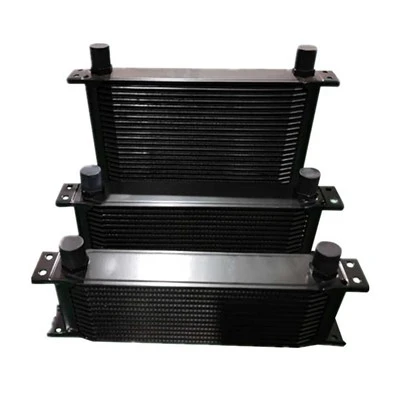
As a supplier of racing aluminum radiators, I understand the critical role that radiator durability plays in the high - performance racing environment. A durable radiator not only ensures the smooth operation of the racing vehicle but also reduces the frequency of replacements and maintenance, saving both time and money for racers. In this blog, I'll share some effective ways to improve the durability of a racing aluminum radiator.
Select High - Quality Aluminum Materials
The foundation of a durable racing aluminum radiator lies in the quality of the aluminum used. High - grade aluminum alloys offer better corrosion resistance, higher strength, and improved heat dissipation properties. When choosing aluminum, look for alloys with a high percentage of elements like copper and silicon, which can enhance the mechanical properties of the radiator. For instance, 6061 - T6 aluminum alloy is a popular choice in the racing industry. It has excellent corrosion resistance and good weldability, which is crucial during the manufacturing process of the radiator.
At our company, we source the finest aluminum materials to ensure that our Griffin Aluminum Racing Radiator and Chevy Aluminum Racing Radiator meet the highest standards of durability. The use of high - quality aluminum means that the radiator can withstand the extreme temperatures and pressures encountered in racing conditions without succumbing to premature wear and tear.
Optimize the Design of the Radiator
The design of a racing aluminum radiator is another key factor in determining its durability. A well - designed radiator should have an efficient coolant flow path. This ensures that the coolant can circulate evenly throughout the radiator, preventing hot spots that can lead to material degradation over time.
One effective design approach is the use of a multi - pass system. Our Double Pass Aluminum Radiator is a prime example of this. In a double - pass radiator, the coolant makes two passes through the radiator core, allowing for more efficient heat transfer. This design not only improves the cooling performance but also reduces the stress on the radiator components, enhancing its overall durability.
In addition, the fin design is also crucial. The fins on a radiator increase the surface area available for heat transfer. However, they also need to be designed in a way that can withstand the vibrations and impacts associated with racing. A well - engineered fin design with proper spacing and thickness can prevent fin damage, which is a common cause of radiator failure.


Improve the Manufacturing Process
The manufacturing process has a significant impact on the durability of a racing aluminum radiator. Welding is one of the most critical steps. High - quality welding ensures strong joints between the radiator tubes and headers, preventing coolant leaks. At our production facility, we use advanced welding techniques, such as TIG (Tungsten Inert Gas) welding, which provides precise and strong welds. This type of welding creates a high - integrity bond that can withstand the thermal cycling and mechanical stresses of racing.
Surface treatment is another important aspect of the manufacturing process. Applying a protective coating to the radiator can enhance its corrosion resistance. Anodizing is a popular surface treatment method for aluminum radiators. It creates a hard, protective oxide layer on the surface of the aluminum, which helps to prevent corrosion from moisture, chemicals, and road debris.
Regular Maintenance and Inspection
Even the most durable racing aluminum radiators require regular maintenance and inspection to ensure their long - term performance. Racers should check the coolant level regularly. Low coolant levels can cause the radiator to overheat, leading to damage to the radiator components. It's also important to use the right type of coolant. A coolant with the appropriate anti - corrosion and anti - freeze properties can protect the radiator from internal corrosion.
Inspecting the radiator for any signs of damage, such as leaks, bent fins, or loose connections, is also crucial. Bent fins can impede the airflow through the radiator, reducing its cooling efficiency. If any damage is detected, it should be repaired promptly to prevent further deterioration.
Protect the Radiator During Racing
During racing, the radiator is exposed to various hazards, such as flying debris, stones, and high - speed airflow. Installing a radiator grille or a stone guard can help protect the radiator from physical damage. These protective devices can deflect stones and other debris, preventing them from hitting the radiator and causing damage to the fins or tubes.
In addition, proper airflow management around the radiator is essential. Ensuring that the radiator has a clear path for air intake and exhaust can prevent overheating. Racers should also avoid blocking the radiator with unnecessary accessories or equipment.
Use High - Performance Coolants
The choice of coolant can have a significant impact on the durability of a racing aluminum radiator. High - performance coolants are formulated to provide better heat transfer and corrosion protection. They often contain additives that can prevent the formation of scale and rust inside the radiator.
Some coolants are specifically designed for racing applications, with enhanced thermal conductivity and anti - cavitation properties. Anti - cavitation additives are particularly important in racing engines, as they prevent the formation of vapor bubbles in the coolant, which can cause pitting and erosion of the radiator tubes.
Upgrade Radiator Components
In some cases, upgrading certain radiator components can improve its durability. For example, replacing the standard radiator cap with a high - pressure cap can increase the boiling point of the coolant, reducing the risk of overheating. High - pressure caps also help to maintain a consistent pressure inside the radiator, which can prevent coolant leaks and improve the overall performance of the cooling system.
Another upgrade option is to install a larger radiator fan. A more powerful fan can increase the airflow through the radiator, improving its cooling efficiency and reducing the stress on the radiator components.
Training for Racers and Mechanics
Proper training for racers and mechanics is essential for ensuring the durability of racing aluminum radiators. Racers should be educated on the importance of proper radiator operation and maintenance. They should know how to monitor the coolant temperature and take appropriate action if the temperature starts to rise abnormally.
Mechanics should be trained in the correct installation, repair, and maintenance procedures for racing aluminum radiators. They should have a good understanding of the radiator design and the materials used, so that they can make informed decisions when it comes to servicing the radiator.
In conclusion, improving the durability of a racing aluminum radiator requires a comprehensive approach that includes selecting high - quality materials, optimizing the design, improving the manufacturing process, regular maintenance, and proper protection during racing. As a supplier, we are committed to providing our customers with the highest - quality racing aluminum radiators that are built to last. If you are interested in our products or have any questions about improving radiator durability, please feel free to contact us for procurement discussions.
References
- Automotive Cooling System Handbook, SAE International
- Aluminum Alloys for High - Performance Applications, ASM International
- Racing Radiator Design and Performance, Motorsport Engineering Journal