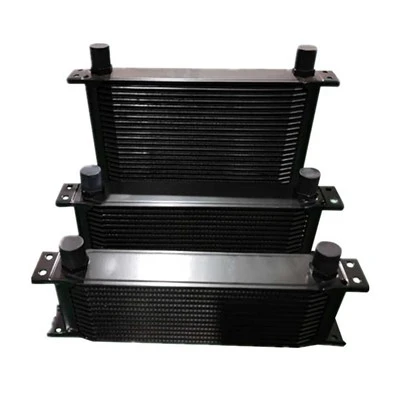
Hey there! As a supplier of aluminum radiator 4 cores, I've seen firsthand how crucial it is to ensure proper alignment during installation. A misaligned radiator can lead to all sorts of problems, from poor cooling performance to leaks and even engine damage. In this blog post, I'm going to share some tips on how to make sure your aluminum radiator 4 core is installed correctly.
Pre - installation Checks
Before you even start the installation process, there are a few things you need to do. First off, you should thoroughly inspect the radiator. Check for any visible damage like dents, cracks, or bent fins. These issues can not only affect the radiator's performance but also make proper alignment a real headache.
Next, take a look at the mounting points on both the radiator and the vehicle. Make sure they are clean and free from any debris or rust. If there's any rust, use a wire brush to clean it off. This will ensure a snug fit and proper alignment.
Getting the Right Tools
You can't do a good job without the right tools. For installing an aluminum radiator 4 core, you'll need a set of wrenches, a socket set, and a level. The level is especially important for ensuring that the radiator is perfectly horizontal. You might also want to have some gasket sealant on hand, just in case.
Positioning the Radiator
Once you've got everything ready, it's time to start positioning the radiator. First, lift the radiator into place. This can be a bit tricky, especially if it's a large radiator. You might want to enlist the help of a friend.
When you're placing the radiator, make sure it's centered in the mounting area. Use the mounting holes as a guide. Line them up carefully with the holes on the vehicle's frame. If they don't line up right away, don't force it. You might need to adjust the position slightly.
Using the Level
This is where the level comes in. Place the level on top of the radiator. You want to make sure it's completely horizontal. If it's not, adjust the radiator's position until the bubble in the level is centered. This might take a few tries, but it's worth it. A properly leveled radiator will ensure even coolant flow and better cooling performance.
Securing the Radiator
Once the radiator is properly positioned and leveled, it's time to secure it. Start by inserting the bolts through the mounting holes. Don't tighten them all the way just yet. First, hand - tighten them so that the radiator is held in place but still adjustable.
After all the bolts are in, use your wrench or socket set to gradually tighten them. Make sure to tighten them evenly. If you tighten one bolt too much before the others, it can cause the radiator to become misaligned. Go around the bolts a few times, tightening them a little bit at a time until they are all snug.
Connecting the Hoses
With the radiator securely in place, it's time to connect the hoses. There are usually two hoses: the inlet hose and the outlet hose. Make sure you connect them to the correct ports on the radiator. You can usually tell which is which by looking at the markings on the radiator.
Before you attach the hoses, apply a small amount of gasket sealant to the ends of the hoses. This will help prevent leaks. Slide the hoses onto the ports and use hose clamps to secure them. Tighten the clamps with a screwdriver.
Double - checking the Alignment
After connecting the hoses, it's a good idea to double - check the alignment. The weight of the hoses can sometimes cause the radiator to shift slightly. Use the level again to make sure the radiator is still horizontal. If it's not, adjust the bolts as needed.
Testing the System
Once everything is connected and the alignment is correct, it's time to test the system. Fill the radiator with coolant and start the engine. Let the engine run for a few minutes and keep an eye on the temperature gauge. If the temperature starts to rise abnormally, there might be a problem with the alignment or the installation.
Why Proper Alignment Matters
Proper alignment is crucial for several reasons. First of all, it ensures even coolant flow. If the radiator is misaligned, coolant might not flow through all the cores evenly. This can lead to hot spots in the engine, which can cause damage over time.
Secondly, a properly aligned radiator is less likely to develop leaks. When the radiator is misaligned, the hoses and connections can be under stress. This can cause the seals to break and lead to coolant leaks.
Related Products
If you're interested in other types of aluminum radiators, we also offer Small Aluminum Radiator, 4 Row Aluminum Radiator, and 3 Core Aluminum Radiator. These radiators are all made with high - quality aluminum and are designed for optimal performance.
Conclusion
Installing an aluminum radiator 4 core might seem like a daunting task, but with the right steps and a little patience, you can ensure proper alignment. Remember to do your pre - installation checks, use the right tools, position the radiator carefully, and double - check everything before testing the system.
If you have any questions about our aluminum radiator 4 cores or need help with installation, don't hesitate to reach out. We're here to help you get the best performance out of your radiator. Whether you're a DIY enthusiast or a professional mechanic, we can provide you with the support and products you need. Contact us today to start a procurement discussion and find the perfect radiator for your needs.


References
- Automotive Radiator Installation Guides
- Aluminum Radiator Manufacturer's Manuals