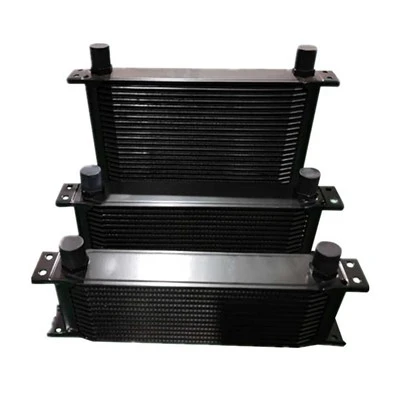
Hey there, racing enthusiasts! As a supplier of racing aluminum radiators, I've seen my fair share of radiator issues, and one of the most common problems is a clogged radiator. A clogged radiator can lead to overheating, reduced performance, and even engine damage if not addressed promptly. In this blog post, I'll share some tips on how to deal with a clogged racing aluminum radiator.
Understanding the Causes of Clogs
Before we dive into the solutions, it's important to understand what causes a radiator to clog in the first place. There are several factors that can contribute to radiator clogs, including:
- Debris and Dirt: Over time, dirt, dust, and other debris can accumulate in the radiator fins and tubes, restricting the flow of coolant. This is especially common in racing environments where the radiator is exposed to a lot of dirt and grime.
- Corrosion: Aluminum radiators are susceptible to corrosion, which can cause rust and scale to build up inside the radiator. This can not only clog the radiator but also reduce its efficiency.
- Coolant Contamination: If the coolant in your radiator is contaminated with dirt, rust, or other impurities, it can cause clogs. This can happen if the coolant is not changed regularly or if the radiator is not properly flushed before adding new coolant.
- Mineral Deposits: Hard water contains minerals such as calcium and magnesium, which can form deposits inside the radiator over time. These deposits can clog the radiator and reduce its cooling efficiency.
Signs of a Clogged Radiator
Now that you know what causes radiator clogs, it's important to be able to recognize the signs of a clogged radiator. Some common signs of a clogged radiator include:
- Overheating: If your engine is overheating, it could be a sign that your radiator is clogged. When the radiator is clogged, it can't effectively cool the coolant, which can cause the engine to overheat.
- Reduced Performance: A clogged radiator can also reduce the performance of your engine. When the engine is overheating, it has to work harder to maintain its performance, which can lead to reduced power and acceleration.
- Coolant Leaks: If you notice coolant leaking from your radiator, it could be a sign that the radiator is clogged. When the radiator is clogged, the pressure inside the radiator can build up, causing the coolant to leak.
- Strange Noises: If you hear strange noises coming from your radiator, such as gurgling or hissing sounds, it could be a sign that the radiator is clogged. These noises are often caused by air bubbles trapped in the radiator.
How to Deal with a Clogged Radiator
If you suspect that your radiator is clogged, there are several steps you can take to deal with the problem. Here are some tips on how to deal with a clogged racing aluminum radiator:
Step 1: Inspect the Radiator
The first step in dealing with a clogged radiator is to inspect the radiator for any visible signs of damage or clogs. Look for dirt, debris, or rust on the radiator fins and tubes. You can also use a flashlight to look inside the radiator for any signs of blockages.


Step 2: Flush the Radiator
If you find that your radiator is clogged, the next step is to flush the radiator. Flushing the radiator involves removing the old coolant from the radiator and replacing it with fresh coolant. This can help to remove any dirt, debris, or rust that may be causing the clog.
To flush the radiator, follow these steps:
- Drain the Coolant: Start by draining the old coolant from the radiator. You can do this by opening the drain plug at the bottom of the radiator. Make sure to catch the coolant in a suitable container.
- Flush the Radiator: Once the old coolant has been drained, fill the radiator with water. You can use a garden hose to fill the radiator. Turn on the engine and let it run for a few minutes to circulate the water through the radiator.
- Drain the Water: After a few minutes, turn off the engine and drain the water from the radiator. Repeat this process several times until the water runs clear.
- Add New Coolant: Once the radiator has been flushed, add new coolant to the radiator. Make sure to use the correct type of coolant for your vehicle.
Step 3: Use a Radiator Cleaner
If flushing the radiator doesn't remove the clog, you can try using a radiator cleaner. Radiator cleaners are designed to dissolve dirt, debris, and rust from the inside of the radiator.
To use a radiator cleaner, follow these steps:
- Add the Cleaner: Add the radiator cleaner to the radiator according to the manufacturer's instructions. Make sure to use the correct amount of cleaner for your radiator.
- Run the Engine: Turn on the engine and let it run for the recommended amount of time. This will allow the cleaner to circulate through the radiator and dissolve the clog.
- Flush the Radiator: After the recommended amount of time has passed, turn off the engine and drain the cleaner from the radiator. Flush the radiator with water several times to remove any remaining cleaner.
- Add New Coolant: Once the radiator has been flushed, add new coolant to the radiator.
Step 4: Replace the Radiator
If flushing the radiator and using a radiator cleaner don't remove the clog, you may need to replace the radiator. Replacing the radiator is a more expensive and time-consuming solution, but it may be necessary if the radiator is severely clogged or damaged.
To replace the radiator, follow these steps:
- Disconnect the Battery: Before you start working on the radiator, disconnect the battery to prevent any electrical shocks.
- Drain the Coolant: Drain the old coolant from the radiator as described above.
- Remove the Radiator Hoses: Remove the radiator hoses from the radiator. Make sure to label the hoses so you know where they go when you reinstall the radiator.
- Remove the Radiator: Remove the bolts or clips that hold the radiator in place and carefully lift the radiator out of the vehicle.
- Install the New Radiator: Install the new radiator in the vehicle and reconnect the radiator hoses. Make sure to tighten the bolts or clips securely.
- Add New Coolant: Add new coolant to the radiator and check for any leaks.
Preventing Radiator Clogs
Preventing radiator clogs is the best way to avoid the hassle and expense of dealing with a clogged radiator. Here are some tips on how to prevent radiator clogs:
- Change the Coolant Regularly: Changing the coolant in your radiator regularly is one of the most important things you can do to prevent radiator clogs. Make sure to follow the manufacturer's recommendations for coolant change intervals.
- Use the Correct Coolant: Using the correct type of coolant for your vehicle is also important. Make sure to use a coolant that is compatible with your radiator and your engine.
- Keep the Radiator Clean: Keeping the radiator clean is another important step in preventing radiator clogs. Make sure to regularly clean the radiator fins and tubes to remove any dirt, debris, or rust.
- Inspect the Radiator Regularly: Inspecting the radiator regularly for any signs of damage or clogs is also important. Make sure to look for dirt, debris, or rust on the radiator fins and tubes. You can also use a flashlight to look inside the radiator for any signs of blockages.
Conclusion
Dealing with a clogged racing aluminum radiator can be a hassle, but it doesn't have to be. By following the tips in this blog post, you can effectively deal with a clogged radiator and prevent future clogs. Remember to change the coolant regularly, use the correct coolant, keep the radiator clean, and inspect the radiator regularly. If you have any questions or need further assistance, feel free to contact us. We're a leading supplier of Chevy Aluminum Racing Radiator, Ford Racing Aluminum Radiator, and Afco Aluminum Racing Radiator. We can provide you with high-quality radiators and expert advice on how to maintain and care for your radiator. Whether you're a professional racer or a weekend warrior, we've got you covered. If you're interested in purchasing a racing aluminum radiator or have any questions about our products, please don't hesitate to reach out. We're here to help you keep your engine cool and running at its best.
References
- "How to Flush a Radiator." YourMechanic, 2023.
- "Radiator Maintenance Tips." Car and Driver, 2023.
- "Preventing Radiator Clogs." Popular Mechanics, 2023.