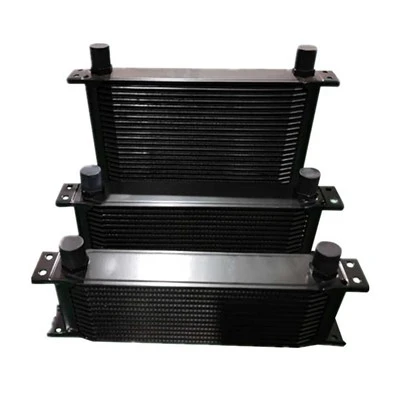
As an aluminum condenser supplier, I've seen firsthand how surface treatment can significantly impact the properties of these essential components. In this blog post, I'll share some insights into how different surface treatments affect the performance, durability, and efficiency of aluminum condensers.
Corrosion Resistance
One of the primary reasons for surface treatment is to enhance the corrosion resistance of aluminum condensers. Aluminum is naturally prone to oxidation, which can lead to the formation of a thin layer of aluminum oxide on the surface. While this oxide layer provides some protection, it may not be sufficient in harsh environments.
Anodizing is a popular surface treatment method that involves creating an artificial oxide layer on the aluminum surface through an electrochemical process. This layer is much thicker and more durable than the natural oxide layer, providing excellent corrosion resistance. Anodized aluminum condensers can withstand exposure to moisture, chemicals, and other corrosive substances, making them ideal for use in industrial, marine, and outdoor applications.


Another surface treatment option is powder coating. Powder coating involves applying a dry powder to the aluminum surface and then baking it to form a hard, protective finish. This finish not only provides corrosion resistance but also enhances the aesthetic appeal of the condenser. Powder-coated aluminum condensers are available in a wide range of colors and finishes, allowing for customization to meet specific design requirements.
Heat Transfer Efficiency
The surface treatment of an aluminum condenser can also affect its heat transfer efficiency. A smooth, clean surface allows for better heat transfer between the refrigerant and the surrounding environment. However, over time, the surface of the condenser can become dirty or fouled, which can reduce its heat transfer efficiency.
To maintain optimal heat transfer efficiency, regular cleaning and maintenance are essential. In addition, some surface treatments can help to prevent fouling and improve the cleanliness of the condenser surface. For example, a hydrophilic coating can be applied to the aluminum surface to make it more water-wicking. This helps to prevent the formation of water droplets on the surface, which can reduce heat transfer efficiency.
Another option is to use a self-cleaning surface treatment. These treatments use special materials or coatings that break down organic matter and prevent the growth of bacteria and fungi on the condenser surface. This not only improves heat transfer efficiency but also reduces the need for frequent cleaning and maintenance.
Mechanical Properties
The surface treatment of an aluminum condenser can also affect its mechanical properties, such as hardness, wear resistance, and strength. For example, anodizing can increase the hardness of the aluminum surface, making it more resistant to scratches and wear. This is particularly important in applications where the condenser may be exposed to abrasive materials or rough handling.
In addition, some surface treatments can improve the adhesion of the condenser to other components or materials. This is important in applications where the condenser needs to be securely attached to a mounting bracket or other structure. For example, a primer coating can be applied to the aluminum surface before painting or powder coating to improve the adhesion of the finish.
Aesthetic Appeal
In addition to its functional properties, the surface treatment of an aluminum condenser can also affect its aesthetic appeal. A well-designed and finished condenser can enhance the overall appearance of the equipment or system in which it is installed.
As mentioned earlier, powder coating is a popular surface treatment option that allows for customization of the condenser's color and finish. This can be particularly important in applications where the condenser is visible or where a specific aesthetic is desired. For example, in architectural applications, a powder-coated aluminum condenser can be matched to the color of the building's exterior or interior finishes.
Conclusion
In conclusion, the surface treatment of an aluminum condenser can have a significant impact on its properties, including corrosion resistance, heat transfer efficiency, mechanical properties, and aesthetic appeal. As an aluminum condenser supplier, I recommend carefully considering the specific requirements of your application when choosing a surface treatment. Whether you need a condenser that can withstand harsh environments, provide optimal heat transfer efficiency, or enhance the aesthetic appeal of your equipment, there is a surface treatment option available to meet your needs.
If you're interested in learning more about our aluminum condensers and the surface treatment options we offer, please don't hesitate to [contact us for procurement and negotiation]. We'd be happy to discuss your specific requirements and help you find the right solution for your application.
References
- ASM Handbook, Volume 5: Surface Engineering. ASM International, 1994.
- Aluminum Association. Aluminum Design Manual. Aluminum Association, 2015.
- NACE International. Corrosion Basics: An Introduction. NACE International, 2002.