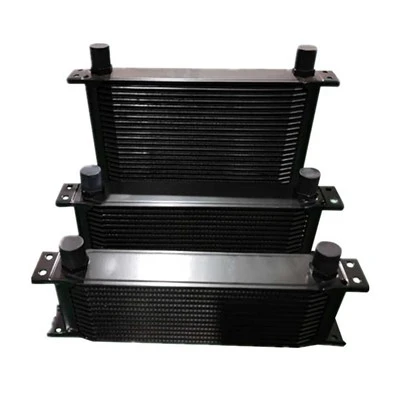
Hey there! As a supplier of aluminum oil coolers, I've seen firsthand how the quality of aluminum can have a huge impact on the performance of these essential components. In this blog post, I'm gonna break down the key factors and explain why it matters so much.
Let's start with the basics. Aluminum is a popular choice for oil coolers because it's lightweight, corrosion-resistant, and has excellent thermal conductivity. These properties make it ideal for transferring heat away from the oil, which helps to keep your engine or transmission running smoothly. But not all aluminum is created equal. The quality of the aluminum can vary depending on a number of factors, including its purity, alloy composition, and manufacturing process.
One of the most important factors in determining the quality of aluminum is its purity. High-purity aluminum has fewer impurities, which means it has better thermal conductivity and is less likely to corrode. This is especially important in oil coolers, where the aluminum is constantly exposed to hot oil and other harsh chemicals. When the aluminum is of high purity, it can transfer heat more efficiently, which helps to keep the oil temperature down and prevent damage to the engine or transmission.
Another factor that affects the quality of aluminum is its alloy composition. Aluminum alloys are made by combining aluminum with other metals, such as copper, magnesium, and silicon. Each alloy has its own unique properties, which can be tailored to meet the specific needs of the oil cooler. For example, some alloys are more resistant to corrosion, while others have better strength and durability. By choosing the right alloy for your oil cooler, you can ensure that it performs at its best and lasts for a long time.
The manufacturing process also plays a crucial role in determining the quality of the aluminum oil cooler. There are several different manufacturing methods, including extrusion, casting, and brazing. Each method has its own advantages and disadvantages, and the choice of method depends on the specific design and requirements of the oil cooler. For example, extrusion is a common method for making finned aluminum oil coolers, which are designed to increase the surface area and improve heat transfer. Finned Aluminum Transmission Oil Cooler is a great example of a product made using this method. The fins help to dissipate heat more effectively, which improves the performance of the oil cooler.
Casting is another method that is often used to make oil coolers. This method involves pouring molten aluminum into a mold to create the desired shape. Casting is a versatile method that can be used to make complex shapes and designs, but it can also be more expensive and time-consuming than other methods. TH262 Universal 7 Row / 10 / 13 / 15 Rows AN10 Aluminum Japan Car Racing Auto Part Engine Transmission Radiator Oil Cooler is a high-performance oil cooler that is made using a combination of casting and brazing techniques. The multiple rows of tubes and fins provide a large surface area for heat transfer, which makes it ideal for high-performance applications.


Brazing is a process that is used to join different parts of the oil cooler together. This process involves heating the aluminum to a high temperature and then applying a filler metal to create a strong bond. Brazing is a critical step in the manufacturing process, as it ensures that the oil cooler is leak-proof and can withstand the high pressures and temperatures that are generated by the engine or transmission. A well-brazed oil cooler will have a strong, durable bond that will last for the life of the cooler. British Type Oil Cooler Aluminum Universal Engine Transmission Oil Cooler is an example of a well-made oil cooler that uses brazing to ensure a strong and reliable connection between the different parts.
So, how does the quality of the aluminum affect the performance of the oil cooler? Well, when the aluminum is of high quality, it can transfer heat more efficiently, which helps to keep the oil temperature down and prevent damage to the engine or transmission. A high-quality oil cooler will also be more resistant to corrosion and wear, which means it will last longer and require less maintenance. On the other hand, a low-quality oil cooler may have poor thermal conductivity, which can cause the oil temperature to rise and lead to premature failure of the engine or transmission. It may also be more prone to corrosion and leaks, which can cause serious damage to the vehicle.
In addition to the performance benefits, using high-quality aluminum oil coolers can also save you money in the long run. When the oil cooler performs at its best, it helps to extend the life of the engine or transmission, which means you won't have to replace them as often. It also reduces the risk of costly repairs and downtime, which can be a major headache for vehicle owners. By investing in a high-quality aluminum oil cooler, you can ensure that your vehicle runs smoothly and efficiently for years to come.
If you're in the market for an aluminum oil cooler, it's important to choose a supplier that you can trust. Look for a supplier that uses high-quality aluminum, has a proven track record of manufacturing reliable oil coolers, and offers a warranty on their products. At our company, we take pride in providing our customers with the highest quality aluminum oil coolers at competitive prices. We use only the best materials and manufacturing processes to ensure that our oil coolers perform at their best and last for a long time.
Whether you're looking for a Finned Aluminum Transmission Oil Cooler, a TH262 Universal 7 Row / 10 / 13 / 15 Rows AN10 Aluminum Japan Car Racing Auto Part Engine Transmission Radiator Oil Cooler, or a British Type Oil Cooler Aluminum Universal Engine Transmission Oil Cooler, we have the perfect solution for you. Our team of experts can help you choose the right oil cooler for your specific needs and ensure that it is installed correctly.
So, if you're ready to upgrade your vehicle's oil cooling system, don't hesitate to contact us. We're here to help you find the best aluminum oil cooler for your needs and provide you with the support and service you deserve. Let's work together to keep your engine and transmission running cool and reliable.
References:
- "Aluminum Alloys: Properties and Applications" - A comprehensive guide to aluminum alloys and their uses.
- "Thermal Conductivity of Metals" - A scientific study on the thermal conductivity of different metals, including aluminum.
- "Oil Cooler Design and Performance" - An in-depth look at the design and performance of oil coolers, including the role of aluminum.