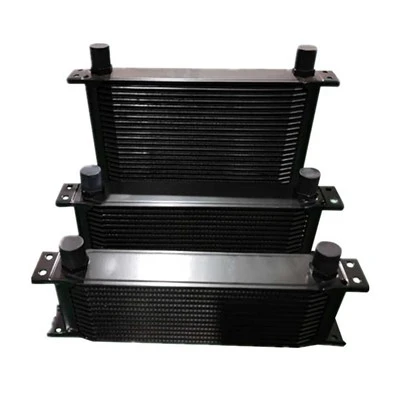
In the realm of automotive engineering, the efficiency of an engine's performance is closely tied to the temperature of the intake air. An aluminum intercooler core plays a pivotal role in this process, and as a dedicated aluminum intercooler core supplier, I'm excited to delve into how these remarkable components work.
The Basics of an Intercooler
Before we jump into the specifics of an aluminum intercooler core, it's essential to understand the concept of an intercooler. In a forced - induction system, such as a turbocharger or a supercharger, the air is compressed. When air is compressed, its temperature rises significantly. Hotter air is less dense, which means there are fewer oxygen molecules per unit volume. Since the engine burns oxygen along with fuel to produce power, less dense air results in reduced power output and can even lead to engine knocking and other issues.
An intercooler is designed to cool down the compressed air before it enters the engine. This increases the air density, allowing more oxygen to be packed into each cylinder. As a result, the engine can burn more fuel and generate more power.
Why Aluminum for Intercooler Cores?
Aluminum is the material of choice for most intercooler cores, and there are several good reasons for this. Firstly, aluminum has excellent thermal conductivity. It can transfer heat from the hot compressed air to the surrounding environment much more efficiently than many other materials. This means that the intercooler can cool the air quickly and effectively.
Secondly, aluminum is lightweight. In the automotive industry, reducing weight is crucial for improving fuel efficiency and overall performance. Using aluminum intercooler cores helps to keep the vehicle's weight down without sacrificing cooling performance.
Finally, aluminum is relatively corrosion - resistant. This is important because the intercooler is exposed to various environmental elements, and corrosion could reduce its effectiveness over time.
How an Aluminum Intercooler Core Works
The Flow of Compressed Air
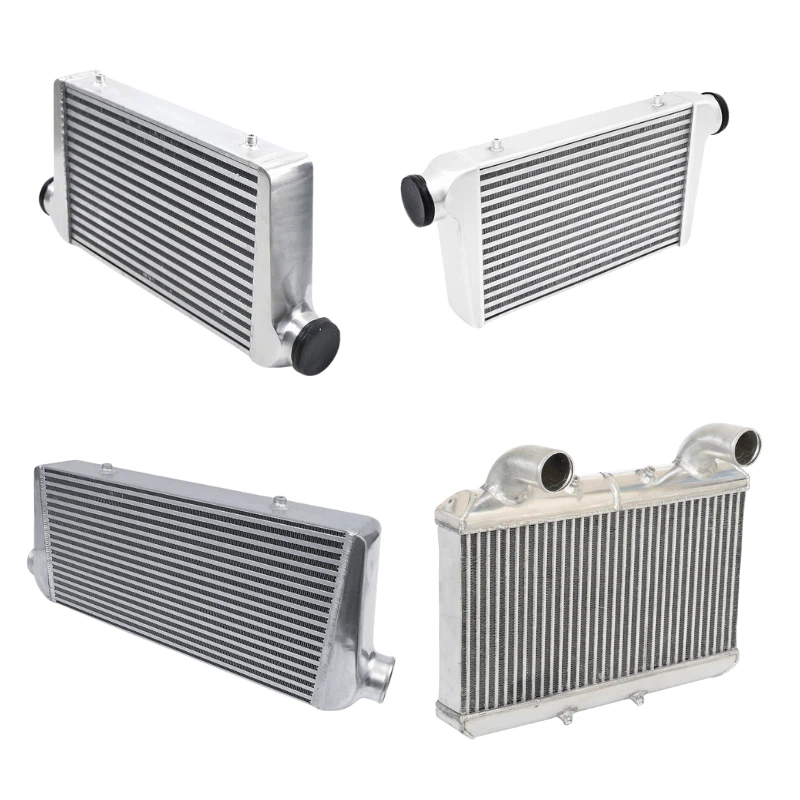
The process begins when the turbocharger or supercharger compresses the intake air. The hot, compressed air is then directed into the aluminum intercooler core through an Aluminum Intercooler Connector. Inside the core, the air passes through a series of tubes or passages. These tubes are designed to maximize the surface area of contact between the hot air and the aluminum.
Heat Transfer
As the hot air flows through the tubes, heat is transferred from the air to the aluminum walls of the tubes. This is where the high thermal conductivity of aluminum comes into play. The aluminum quickly absorbs the heat from the air, causing the air temperature to drop.
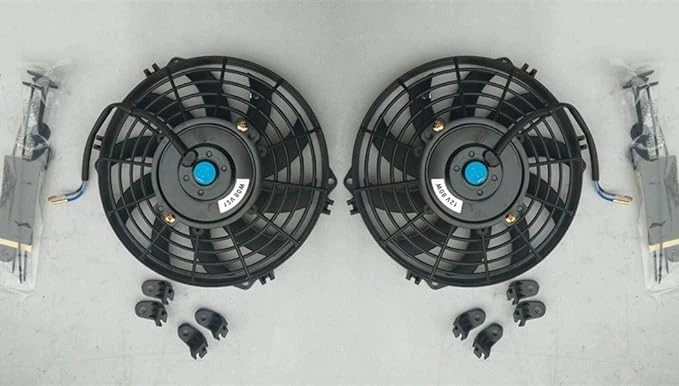
To enhance the heat - transfer process, most aluminum intercooler cores have fins attached to the outside of the tubes. These fins increase the surface area of the core, allowing more heat to be dissipated into the surrounding air. The fins are typically made of thin aluminum strips that are closely spaced. As the vehicle moves forward, or as air is forced through the intercooler by a fan, the cool air flows over the fins, carrying away the heat that has been transferred from the compressed air to the aluminum.
Cooling the Air
The cooled, denser air then exits the aluminum intercooler core and is directed towards the engine's intake manifold through another Aluminum Intercooler Connector. This cooler, denser air contains more oxygen, which allows the engine to burn fuel more efficiently and produce more power.
Types of Aluminum Intercooler Cores
Bar - and - Plate Design
One common type of aluminum intercooler core is the bar - and - plate design. In this design, the core consists of a series of plates separated by bars. The compressed air flows through the passages between the plates, while the bars help to support the structure and also enhance heat transfer. The fins are attached to the outside of the plates to increase the surface area for heat dissipation.
Tube - and - Fin Design
The tube - and - fin design is another popular option. Here, the compressed air flows through individual tubes, and fins are wrapped around the tubes. This design provides a large surface area for heat transfer and is relatively easy to manufacture.
Factors Affecting the Performance of an Aluminum Intercooler Core
Size and Surface Area
The size of the intercooler core and its surface area have a significant impact on its cooling performance. A larger core with more surface area can transfer more heat and cool the air more effectively. However, a larger intercooler may also be heavier and take up more space in the engine bay.
Airflow
The amount of airflow through the intercooler is crucial. If the airflow is restricted, the intercooler will not be able to dissipate heat efficiently. This can be affected by the design of the vehicle's front end, the presence of other components in the engine bay, and the speed of the vehicle.
Coolant Flow (in Liquid - Cooled Intercoolers)
In some applications, liquid - cooled intercoolers are used. In these systems, a coolant (usually water or a water - glycol mixture) flows through the intercooler core to absorb heat from the compressed air. The performance of a liquid - cooled intercooler depends on the flow rate and temperature of the coolant.
Applications of Aluminum Intercooler Cores
Aluminum intercooler cores are widely used in various types of vehicles, including high - performance sports cars, racing cars, and diesel trucks. In high - performance vehicles, the intercooler helps to boost engine power and improve acceleration. In diesel trucks, it can increase fuel efficiency and reduce emissions by allowing the engine to burn fuel more efficiently.
Our Offerings as an Aluminum Intercooler Core Supplier
As an experienced aluminum intercooler core supplier, we offer a wide range of products to meet different customer needs. Our intercooler cores are made from high - quality aluminum, ensuring excellent thermal conductivity and durability. We have both bar - and - plate and tube - and - fin designs available, and we can customize the size and specifications of the cores according to your requirements.
In addition to the intercooler cores, we also provide related products such as Aluminum Intercooler Connectors and 3 Inch Intercooler Piping Kits. These products are designed to work seamlessly with our intercooler cores, ensuring a complete and efficient cooling solution for your vehicle.
Contact Us for Procurement
If you're in the market for high - quality aluminum intercooler cores or related products, we invite you to contact us for procurement discussions. Our team of experts is ready to assist you in finding the right solutions for your specific needs. Whether you're a car enthusiast looking to upgrade your vehicle's performance or an automotive manufacturer in need of reliable intercooler components, we've got you covered.
References
- Heywood, J. B. (1988). Internal Combustion Engine Fundamentals. McGraw - Hill.
- Crolla, D. A. (2001). The Automotive Chassis: Engineering Principles. Society of Automotive Engineers.