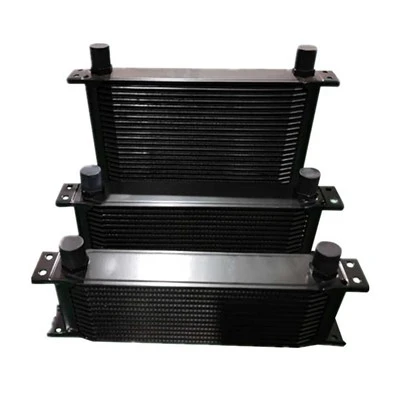
Hey there! As a supplier of Honda aluminum radiators, I often get asked about the best way to store these radiators when they're not in use. It's a crucial question because proper storage can significantly extend the lifespan of your radiator and keep it in top - notch condition for when it's needed. So, let's dive right into it.
Why Proper Storage Matters
First off, you might be wondering why it's such a big deal to store your Honda aluminum radiator correctly. Well, aluminum, while being a great material for radiators due to its lightweight and excellent heat - dissipating properties, is also prone to certain issues if not stored properly. Exposure to moisture can lead to corrosion, which can damage the radiator's fins and tubes. And if the radiator gets physically damaged during storage, like getting dented or bent, it won't work as efficiently when you reinstall it.
Pre - storage Preparation
Before you even think about storing your Honda aluminum radiator, there are a few steps you need to take.
Cleaning
The first thing you gotta do is clean the radiator thoroughly. Over time, dirt, debris, and coolant residue can build up on the radiator. You can use a mild detergent and a soft brush to gently scrub the fins and tubes. Make sure to rinse it off completely with clean water. This not only helps prevent corrosion but also makes it easier to spot any potential damage.
Draining the Coolant
Next, you need to drain all the coolant from the radiator. Coolant can contain chemicals that might cause corrosion if left sitting in the radiator for an extended period. Find the drain plug at the bottom of the radiator and open it. Let the coolant drain into a suitable container. Make sure to dispose of the coolant properly according to local regulations.
Inspecting for Damage
While you're cleaning and draining, take a close look at the radiator for any signs of damage. Check for leaks, cracks, or bent fins. If you find any issues, it's best to get them fixed before storing the radiator. A small problem left unattended can turn into a big headache later on.
Storage Environment
Now that your radiator is all prepped, let's talk about where to store it.
Dry Location
The most important thing is to store the radiator in a dry place. Moisture is the enemy of aluminum. A basement or a garage that tends to get damp is a no - go. Instead, look for a storage area that's well - ventilated and has low humidity. You could even consider using a dehumidifier in the storage space if necessary.
Temperature
Extreme temperatures can also be bad for the radiator. Avoid storing it in an area that gets too hot, like near a furnace or in direct sunlight. On the other hand, freezing temperatures can cause the remaining coolant or water in the radiator to expand and potentially crack the tubes. Aim for a storage temperature between 40°F and 80°F (4°C and 27°C).
Protection from Physical Damage
You don't want your radiator to get bumped, dented, or crushed while it's in storage. Store it in a place where it won't be knocked over by other items. You can use a padded storage box or wrap it in a soft, protective material like bubble wrap.
Storage Methods
There are a few different ways you can store your Honda aluminum radiator.
Vertical Storage
One option is to store the radiator vertically. This helps prevent any coolant or water from pooling inside the radiator, which could lead to corrosion. Make sure it's standing upright on a stable surface. You can use a radiator stand or lean it against a wall if it's supported properly.
Horizontal Storage
If vertical storage isn't an option, you can store the radiator horizontally. However, you need to be extra careful to make sure it's level. You don't want any part of the radiator to be lower than the rest, as this could cause fluid to collect in one area.
Additional Tips
Here are some extra tips to keep in mind when storing your Honda aluminum radiator.
Covering
Consider covering the radiator with a breathable cover. This can protect it from dust and debris while still allowing air to circulate. Just make sure the cover isn't too tight, as it could damage the fins.
Regular Checks
Even if you've stored the radiator correctly, it's a good idea to check on it every few months. Take a quick look to make sure there are no signs of corrosion or damage. If you notice anything off, take action right away.
Other Aluminum Radiators
If you're also interested in other types of aluminum radiators, we've got you covered. We offer high - quality Nissan Titan Aluminum Radiator, Mazda Rx7 Aluminum Radiator, and Toyota 3.0 Aluminum Radiator. These radiators are built to the same high standards as our Honda aluminum radiators and are designed to provide excellent performance.
Conclusion
Storing your Honda aluminum radiator properly is essential for maintaining its performance and longevity. By following the steps we've discussed, you can ensure that your radiator stays in great condition until you need it again. Whether you're a car enthusiast or a professional mechanic, taking care of your radiator will save you time and money in the long run.
If you're interested in purchasing a Honda aluminum radiator or any of our other products, don't hesitate to reach out. We're always here to help you find the right radiator for your needs and answer any questions you might have.


References
- "Automotive Radiator Handbook"
- Industry best practices for aluminum radiator storage