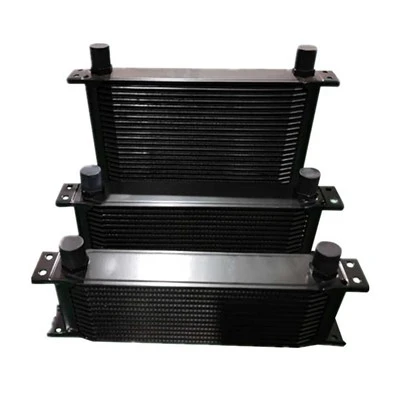
Hey there, fellow car enthusiasts! As a supplier of BMW aluminum radiators, I often get asked how to ensure the proper fitment of these crucial components. It's a question that hits close to home for me, considering I've been knee - deep in the radiator game for quite a while. In this blog, I'll share some tips and tricks to make sure your BMW gets the perfect radiator fit.
First off, let's talk about why proper fitment is so important. A radiator that doesn't fit right can lead to a whole host of problems. It might not be able to cool the engine effectively, which can cause overheating. Overheating, as we all know, is a nightmare for any car owner. It can lead to engine damage, reduced performance, and even complete engine failure in extreme cases. So, getting that fit right is not just about convenience; it's about protecting your precious BMW.
One of the first steps in ensuring proper fitment is to know your BMW model inside out. There are so many different models and years of BMWs out there, and each one might have slightly different radiator requirements. You can't just assume that a radiator that fits one BMW will fit another. Check your vehicle's manual. It's like a holy grail of information about your car. The manual will tell you the exact specifications of the radiator your BMW needs, including the size, shape, and connection points.
Another great resource is the VIN (Vehicle Identification Number). Your BMW's VIN is a unique code that holds a wealth of information about your car. You can use it to look up the correct radiator for your specific vehicle. Many online parts stores and radiator manufacturers, including us, have databases where you can enter your VIN and get a list of compatible radiators. It's a super easy and accurate way to find the right fit.
Now, let's get into the nitty - gritty of measuring. If you're replacing an old radiator, you can measure it directly. But be careful and measure everything accurately. Measure the length, width, and height of the radiator. Also, pay attention to the location and size of the inlet and outlet ports. These ports are where the coolant flows in and out of the radiator, and they need to match up perfectly with your BMW's engine and cooling system.
When it comes to choosing a radiator, I highly recommend considering an aluminum radiator. Aluminum radiators, like our Bmw Aluminum Radiator, have a lot of advantages. They're lightweight, which can improve your car's fuel efficiency. They also have excellent heat transfer properties, meaning they can cool your engine more effectively than some other types of radiators.
We offer different types of aluminum radiators for BMWs. For example, the Champion 3 Row Aluminum Radiator and the Champion 3 Core Aluminum Radiator. The number of rows or cores in a radiator can affect its cooling capacity. Generally, more rows or cores mean better cooling performance. So, if you have a high - performance BMW or you live in a hot climate, a 3 - row or 3 - core radiator might be a great choice for you.
Once you've got the right radiator, it's time to install it. If you're not confident in your DIY skills, I'd suggest taking your car to a professional mechanic. But if you're up for the challenge, here are some installation tips. Make sure you disconnect the battery before you start working on the radiator. This is a safety precaution to prevent any electrical shocks.


Next, drain the coolant from the radiator. You don't want coolant spilling all over the place when you remove the old radiator. Use a drain pan to catch the coolant and dispose of it properly. It's a toxic substance, so you can't just pour it down the drain.
When removing the old radiator, pay attention to how it's attached. There are usually bolts or clips holding it in place. Keep track of all the parts you remove, so you know where they go when you're installing the new radiator.
When installing the new radiator, make sure it's lined up correctly. The inlet and outlet ports should match up with the hoses from your engine. Use new gaskets to ensure a tight seal. A leaky seal can lead to coolant loss, which is not good for your engine.
After you've installed the radiator, refill the coolant. Use the type of coolant recommended for your BMW. Different models might require different coolant mixtures. And don't forget to bleed the air out of the cooling system. Air bubbles in the system can prevent the coolant from flowing properly and can cause overheating.
Once you've done all this, start your BMW and let it run for a while. Check for any leaks around the radiator and the hoses. Monitor the temperature gauge to make sure the engine is cooling properly. If everything looks good, then you've successfully installed your new radiator.
In conclusion, ensuring proper fitment of a BMW aluminum radiator is all about doing your homework. Know your car, measure accurately, choose the right radiator, and install it correctly. If you follow these steps, you'll have a radiator that fits perfectly and keeps your BMW running cool for years to come.
If you're in the market for a BMW aluminum radiator, we're here to help. We've got a wide range of high - quality radiators that are designed to fit different BMW models. Whether you need a standard radiator or a high - performance one, we've got you covered. Don't hesitate to reach out to us for more information or to start a procurement negotiation. We're always happy to talk to fellow car lovers and help you find the perfect radiator for your BMW.
References
- General automotive repair guides
- BMW vehicle manuals