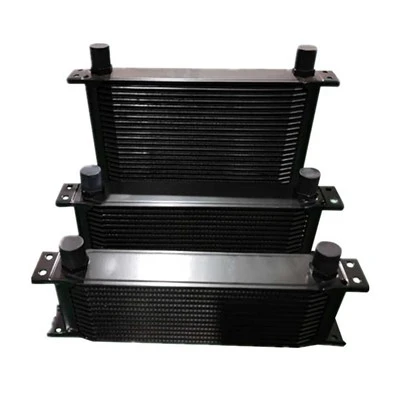
Japanese car radiators are renowned for their precision engineering and innovative designs, often tailored to optimize airflow and enhance cooling efficiency. As a supplier of Japanese car radiators, I've witnessed firsthand how these components are crafted with meticulous attention to detail to meet the demanding requirements of modern vehicles. In this blog, we'll explore whether Japanese car radiators have a specific design for better airflow and how it impacts the overall performance of your vehicle.
The Importance of Airflow in Radiators
Before delving into the specific design features of Japanese car radiators, it's essential to understand the significance of airflow in the cooling process. Radiators play a crucial role in maintaining the optimal operating temperature of your vehicle's engine by dissipating heat generated during combustion. Airflow is the primary mechanism by which heat is transferred from the radiator to the surrounding environment. When air passes through the radiator's fins and tubes, it absorbs heat from the coolant flowing inside, effectively cooling it down before it returns to the engine.
Insufficient airflow can lead to a range of problems, including overheating, reduced engine performance, and potential damage to critical components. Therefore, designing radiators that maximize airflow is essential for ensuring the reliability and longevity of your vehicle.
Specific Design Features for Better Airflow
Japanese car radiators often incorporate several design features aimed at improving airflow and enhancing cooling efficiency. These features are the result of extensive research and development, as well as a commitment to continuous innovation in the automotive industry.
Fin Design
One of the most critical aspects of radiator design is the fin configuration. Japanese radiators typically feature densely packed, thin fins that increase the surface area available for heat transfer. These fins are designed to promote turbulent airflow, which helps to break up the boundary layer of stagnant air that can form around the radiator's surface. By disrupting the boundary layer, turbulent airflow enhances heat transfer rates and improves overall cooling performance.
In addition to their shape and density, the fins on Japanese car radiators are often made from materials with high thermal conductivity, such as aluminum. Aluminum fins are lightweight, corrosion-resistant, and excellent at transferring heat, making them an ideal choice for radiator applications.
Tube Design
The tubes in a radiator are responsible for carrying the coolant from the engine to the radiator and back. Japanese car radiators often use a multi-pass tube design, which means that the coolant flows through the tubes in multiple directions before returning to the engine. This design increases the contact time between the coolant and the fins, allowing for more efficient heat transfer.
Some Japanese radiators also feature oval or rectangular tubes, which have a larger surface area compared to traditional round tubes. The increased surface area provides more contact between the coolant and the fins, further enhancing heat transfer rates and improving airflow.
Core Design
The core of a radiator is the central part that contains the tubes and fins. Japanese car radiators often have a compact, high-density core design that maximizes the surface area available for heat transfer while minimizing the overall size and weight of the radiator. This design is particularly beneficial for modern vehicles, which have limited engine compartment space and require efficient cooling solutions.
In addition to their compact size, Japanese radiator cores are often designed to be modular, which allows for easy replacement of individual components in the event of damage or wear. This modular design also makes it easier to customize radiators for specific applications, ensuring optimal performance and compatibility.
Air Dams and Shrouds
Many Japanese car radiators are equipped with air dams and shrouds, which are designed to direct airflow through the radiator and prevent it from bypassing the cooling fins. Air dams are typically located at the bottom of the radiator and help to channel air into the radiator core, while shrouds are installed around the radiator to ensure that all of the air passing through the engine compartment passes through the radiator.


These aerodynamic features are essential for maximizing airflow and improving cooling efficiency, especially at low speeds or when the vehicle is stationary. By directing airflow through the radiator, air dams and shrouds help to maintain a consistent cooling performance, even in challenging operating conditions.
Examples of Japanese Car Radiators with Excellent Airflow Design
To illustrate the effectiveness of Japanese car radiator designs for better airflow, let's take a look at some specific examples of radiators available on the market.
Toyota 3.0 Aluminum Radiator
The Toyota 3.0 Aluminum Radiator is designed to provide superior cooling performance for Toyota vehicles equipped with 3.0-liter engines. This radiator features a high-density core with densely packed fins and multi-pass tubes, which maximize the surface area available for heat transfer and promote turbulent airflow.
The aluminum construction of the radiator ensures excellent thermal conductivity and corrosion resistance, while the modular design allows for easy replacement of individual components. Additionally, the radiator is equipped with an air dam and shroud to direct airflow through the core and improve cooling efficiency.
Mazda Miata Aluminum Radiator
The Mazda Miata Aluminum Radiator is specifically designed for the popular Mazda Miata sports car. This radiator features a lightweight, compact design that is optimized for airflow and cooling performance. The densely packed fins and multi-pass tubes provide a large surface area for heat transfer, while the aluminum construction ensures efficient heat dissipation.
The radiator also incorporates an air dam and shroud to direct airflow through the core and prevent it from bypassing the cooling fins. This design helps to maintain consistent cooling performance, even during high-speed driving or aggressive cornering.
Champion Aluminum Radiator
The Champion Aluminum Radiator is a high-performance radiator designed for a wide range of Japanese vehicles. This radiator features a unique fin design that promotes turbulent airflow and enhances heat transfer rates. The multi-pass tubes and compact core design maximize the surface area available for heat transfer, while the aluminum construction ensures lightweight and corrosion resistance.
The Champion Aluminum Radiator is also equipped with an air dam and shroud to direct airflow through the core and improve cooling efficiency. This radiator is a popular choice among automotive enthusiasts who demand the best performance from their vehicles.
Benefits of Using Japanese Car Radiators with Better Airflow
Using Japanese car radiators with specific design features for better airflow offers several benefits for vehicle owners. These benefits include:
Improved Cooling Performance
By maximizing airflow and enhancing heat transfer rates, Japanese car radiators provide more efficient cooling, even in challenging operating conditions. This helps to prevent overheating and ensures that your engine operates at its optimal temperature, which can improve performance and fuel efficiency.
Increased Reliability
Overheating can cause significant damage to your engine and other critical components, leading to costly repairs and downtime. By using a radiator with better airflow, you can reduce the risk of overheating and increase the reliability of your vehicle.
Extended Component Life
Proper cooling is essential for maintaining the integrity of your engine and other components. By using a Japanese car radiator with improved airflow, you can help to extend the life of your engine, transmission, and other critical components, saving you money on repairs and replacements in the long run.
Enhanced Fuel Efficiency
When your engine operates at its optimal temperature, it can run more efficiently, which can improve fuel economy. By using a radiator that maximizes airflow and cooling performance, you can help to reduce fuel consumption and save money at the pump.
Conclusion
Japanese car radiators are designed with a focus on maximizing airflow and enhancing cooling efficiency. Through the use of innovative fin and tube designs, compact core configurations, and aerodynamic features such as air dams and shrouds, these radiators provide superior performance and reliability.
As a supplier of Japanese car radiators, I'm proud to offer a wide range of products that are specifically designed to meet the needs of modern vehicles. Whether you're looking for a radiator for your Toyota, Mazda, or other Japanese car, I can provide you with a high-quality solution that will keep your engine cool and running smoothly.
If you're interested in learning more about our Japanese car radiators or would like to discuss your specific requirements, please don't hesitate to contact us. Our team of experts is available to answer your questions and help you find the perfect radiator for your vehicle. We look forward to working with you to ensure the optimal performance and reliability of your car.
References
- Automotive Radiator Design and Performance, SAE International
- Heat Transfer in Automobile Radiators, ASME Journal of Heat Transfer
- The Role of Airflow in Radiator Performance, Society of Automotive Engineers