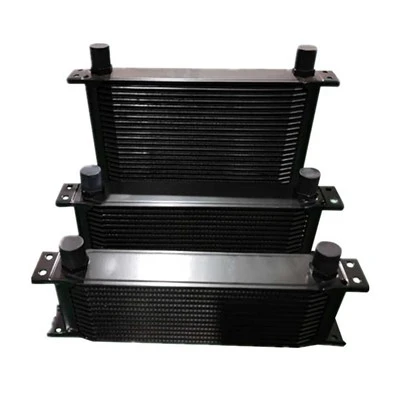
When it comes to the performance of Honda aluminum radiators in cold climates, there are several factors to consider. As a supplier of high - quality Honda aluminum radiators, I've had the opportunity to observe and understand how these radiators function in various environmental conditions, including the chill of cold climates.
Understanding the Basics of Aluminum Radiators
Aluminum radiators, in general, are well - known for their excellent heat transfer capabilities. Aluminum is a highly conductive metal, which means it can quickly absorb and dissipate heat. In a radiator, this translates to efficient cooling of the engine coolant. The fins on an aluminum radiator are designed to increase the surface area, allowing for more effective heat exchange with the surrounding air. For Honda vehicles, aluminum radiators are often the go - to choice due to their lightweight nature, which can contribute to better fuel efficiency and overall vehicle performance.
The Impact of Cold Climates on Radiators
In cold climates, the most obvious aspect is the low ambient temperature. At first glance, one might think that a cold environment would make it easier for a radiator to cool the engine. To some extent, this is true. The low outside temperature provides a greater temperature difference between the hot coolant in the radiator and the cold air, which theoretically enhances the heat transfer rate according to the laws of thermodynamics.
However, cold climates bring their own set of challenges. One of the main issues is the potential for coolant freezing. If the coolant freezes, it can expand and cause damage to the radiator, including cracked tubes or fins. This is why using a proper coolant mixture with the right antifreeze ratio is crucial. A good quality coolant should be able to withstand extremely low temperatures without solidifying.
Another problem that can occur in cold weather is the formation of ice and snow on the radiator. A layer of ice or snow can act as an insulator, reducing the radiator's ability to transfer heat effectively. Ice and snow accumulation can block the airflow through the radiator, preventing the heat from being dissipated properly. In extreme cases, the weight of the accumulated snow can even cause physical damage to the radiator's structure.
Performance of Honda Aluminum Radiators in Cold Climates
Honda aluminum radiators are designed to handle a wide range of operating conditions, including cold climates. The high - quality aluminum used in these radiators is corrosion - resistant, which is important in cold areas where road salts and harsh chemicals are often used to de - ice the roads. Corrosion can weaken the radiator over time, leading to leaks and reduced performance.
The efficient heat transfer capabilities of aluminum also play an important role in cold climates. Even when the outside temperature is low, the radiator can quickly cool the hot engine coolant. This helps to maintain the engine at an optimal operating temperature. If the engine gets too cold, it can lead to poor fuel combustion, increased emissions, and potential damage to engine components.
Moreover, modern Honda aluminum radiators are often equipped with advanced design features. These can include specially - shaped tubes and fins that allow for better airflow even in cold and windy conditions. Additionally, some radiators have built - in air - flow management systems that can adjust the amount of air passing through the radiator based on the engine's temperature requirements.
Let's compare the performance of Honda aluminum radiators with some other models in the market. For example, the Ek Aluminum Radiator, which is also designed for Japanese cars, has its own set of features. While it shares some similarities with Honda radiators in terms of using aluminum for heat transfer, the specific design and engineering of Honda radiators are tailored to Honda engines' unique needs. Similarly, the Mazda Miata Aluminum Radiator and Toyota Aluminum Radiator are designed for their respective vehicle models. Each radiator is optimized to work in harmony with the engine's cooling requirements, but Honda radiators are fine - tuned for the specific characteristics of Honda engines.
Maintenance Tips for Honda Aluminum Radiators in Cold Climates
To ensure that Honda aluminum radiators work well in cold climates, proper maintenance is essential. First and foremost, regularly check the coolant level and its antifreeze concentration. As the coolant can evaporate over time, it's important to keep it at the recommended level. You can use a coolant tester to check the antifreeze ratio and add more antifreeze if necessary.
Inspect the radiator for any signs of damage, such as bent fins or leaks. Bent fins can impede airflow, while leaks can lead to a loss of coolant and poor cooling performance. If you notice any damage, it's important to repair or replace the damaged parts as soon as possible.

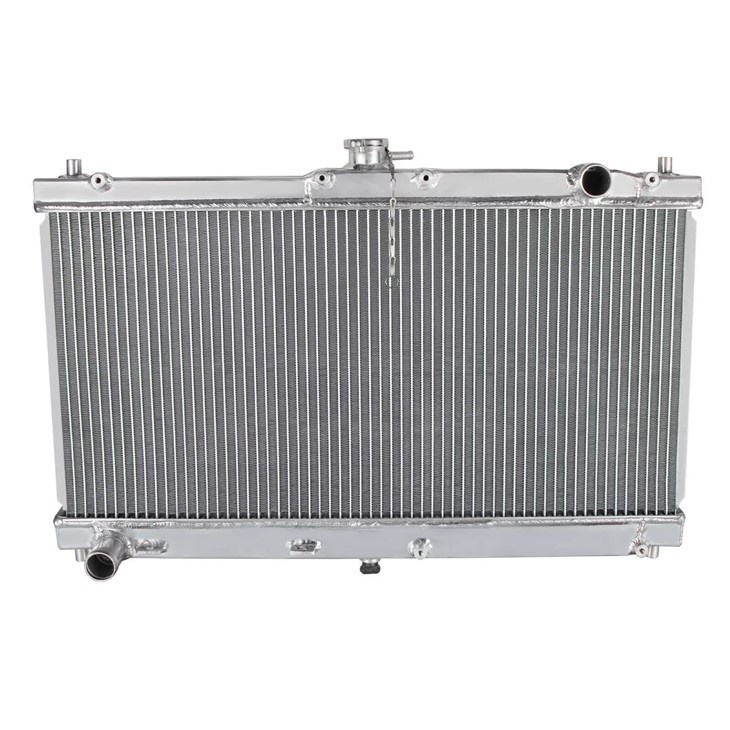
Before the cold season arrives, clean the radiator to remove any dirt, debris, or bugs that may have accumulated. A clean radiator can transfer heat more effectively. You can use a soft brush or compressed air to clean the fins gently.
Conclusion
In conclusion, Honda aluminum radiators can work well in cold climates when properly maintained and used with the right coolant. Their efficient heat transfer capabilities, corrosion resistance, and advanced design features make them suitable for the challenges posed by low temperatures. However, it's important for vehicle owners to be aware of the potential issues in cold weather, such as coolant freezing and ice accumulation, and take the necessary steps to prevent them.
If you are looking for a reliable Honda aluminum radiator for your vehicle, especially if you live in a cold climate, we are here to help. Our products are designed to meet the high - standards of performance and durability required in such conditions. Contact us for more information on our Honda aluminum radiators and start discussing your procurement needs today.
References
- Automotive Cooling System Handbook, published by SAE International
- Aluminum Alloys for Automotive Applications, research paper from the Journal of Automotive Engineering