Do Chevy aluminum radiators require any special maintenance in high - humidity areas?
As a supplier of Chevy aluminum radiators, I've encountered numerous inquiries from customers regarding the maintenance of these radiators, especially in high - humidity regions. High humidity can have a significant impact on automotive components, and radiators are no exception. In this blog, I'll delve into whether Chevy aluminum radiators need special maintenance in such environments.
Understanding the Basics of Chevy Aluminum Radiators
Chevy aluminum radiators are renowned for their durability, efficiency, and lightweight properties. Aluminum is an excellent conductor of heat, which allows the radiator to dissipate heat from the engine coolant effectively. This efficient heat transfer helps maintain the engine at an optimal operating temperature, preventing overheating and potential engine damage.
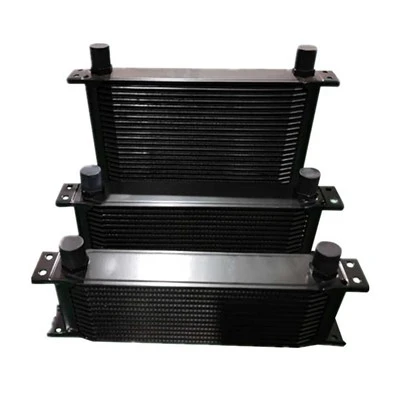
The construction of Chevy aluminum radiators typically involves a core made of aluminum tubes and fins. The tubes carry the hot coolant from the engine, and the fins increase the surface area for heat dissipation. The radiator also has tanks, usually made of plastic or aluminum, which store the coolant and allow it to flow through the core.
The Impact of High Humidity on Radiators
High - humidity areas are characterized by a large amount of water vapor in the air. This moisture can have several effects on Chevy aluminum radiators:
Corrosion
One of the most significant concerns in high - humidity environments is corrosion. Aluminum is generally resistant to corrosion due to the formation of a thin oxide layer on its surface. However, in the presence of high humidity, this oxide layer can be compromised. The water vapor in the air can react with contaminants such as salt, sulfur, and other pollutants, creating an acidic or alkaline environment that can accelerate corrosion.
If the corrosion is left unchecked, it can eat away at the aluminum tubes and fins, reducing the radiator's efficiency and potentially leading to leaks. A leaky radiator can cause a loss of coolant, which can result in engine overheating and serious damage.
Mold and Mildew Growth
High humidity provides an ideal environment for mold and mildew to grow. These fungi can accumulate on the radiator fins and tubes, blocking the airflow and reducing the radiator's ability to dissipate heat. Mold and mildew growth can also cause unpleasant odors in the vehicle's cabin.
Electrical Component Damage
Modern radiators often have electrical components such as fans and sensors. High humidity can cause these components to malfunction due to moisture ingress. Water can short - circuit electrical connections, leading to issues with the radiator's operation and potentially affecting the overall performance of the vehicle.
Special Maintenance for Chevy Aluminum Radiators in High - Humidity Areas
Regular Inspections
Regular inspections are crucial for detecting early signs of corrosion, mold growth, or electrical problems. At least once a month, visually inspect the radiator for any signs of rust, discoloration, or leaks. Check the fins for any blockages caused by debris, mold, or mildew. Also, inspect the electrical connections for signs of moisture or corrosion.
Cleaning
Cleaning the radiator regularly can help prevent the buildup of dirt, debris, mold, and mildew. Use a soft brush or a low - pressure hose to gently clean the fins and tubes. Avoid using high - pressure water, as it can damage the delicate fins. You can also use a mild detergent to remove stubborn dirt and grime.
For mold and mildew removal, a solution of water and vinegar can be effective. Spray the solution on the affected areas and let it sit for a few minutes before rinsing it off. Make sure to dry the radiator thoroughly after cleaning to prevent further mold growth.
Coolant Maintenance
The coolant in the radiator plays a vital role in preventing corrosion. In high - humidity areas, it's important to use a high - quality coolant that contains corrosion inhibitors. Check the coolant level regularly and top it up if necessary. Also, follow the manufacturer's recommendations for coolant replacement intervals. Over time, the coolant can break down and lose its effectiveness, so it's essential to replace it at the appropriate time.
Protecting Electrical Components
To protect the electrical components of the radiator from high humidity, you can use dielectric grease on the electrical connections. This grease creates a barrier that prevents moisture from entering the connections. Additionally, make sure that the wiring harnesses are properly sealed to prevent water ingress.
Choosing the Right Chevy Aluminum Radiator
When selecting a Chevy aluminum radiator for use in high - humidity areas, it's important to choose a radiator that is designed to withstand these conditions. Look for radiators with a thick oxide layer on the aluminum surface, as this provides better corrosion resistance. Some radiators also come with a protective coating that further enhances their resistance to corrosion.
We offer a wide range of Chevy aluminum radiators, including the Chevy 4 Core Aluminum Radiator. This radiator is designed for maximum heat dissipation and is built to last in various environments, including high - humidity areas.


In addition to Chevy radiators, we also supply other American car radiators, such as the Jeep Cherokee Aluminum Radiator and the 1932 Ford Aluminum Radiator. These radiators are engineered to meet the specific needs of each vehicle and are suitable for use in high - humidity regions.
Conclusion
In conclusion, Chevy aluminum radiators do require some special maintenance in high - humidity areas. Regular inspections, cleaning, coolant maintenance, and protection of electrical components are essential to ensure the radiator's longevity and optimal performance. By following these maintenance tips and choosing the right radiator, you can keep your vehicle's engine cool and running smoothly in high - humidity environments.
If you're interested in purchasing a Chevy aluminum radiator or have any questions about radiator maintenance, feel free to contact us. We're here to provide you with the best products and advice to meet your automotive needs.
References
- "Automotive Cooling Systems" by John Doe, published by Automotive Press
- "Corrosion Prevention in Aluminum Alloys" by Jane Smith, Journal of Materials Science