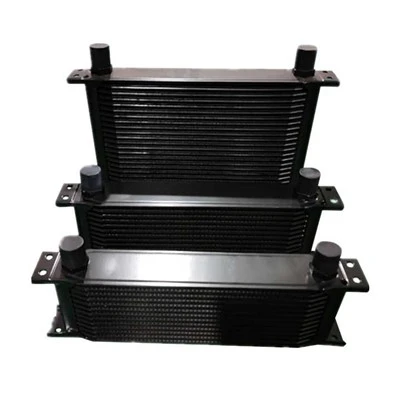
As a supplier of Japanese car radiators, I often encounter a frequently asked question from customers: Do all Japanese car radiators require coolant additives? This is a question that involves not only the basic understanding of radiator maintenance but also the long - term performance and lifespan of Japanese cars. In this blog, I'll delve into this topic, analyze the factors involved, and provide some practical advice.
The Function of Coolant and Coolant Additives
Before answering whether all Japanese car radiators need coolant additives, it's essential to understand the role of coolant and coolant additives in a car's cooling system.
The coolant, also known as antifreeze, has several crucial functions. Firstly, it helps to regulate the engine's temperature. The engine generates a significant amount of heat during operation, and the coolant absorbs this heat and transfers it to the radiator, where it is dissipated into the surrounding air. Secondly, coolant prevents the water in the cooling system from freezing in cold weather and boiling in hot conditions. Thirdly, it provides corrosion protection for the various metal components in the cooling system, such as the radiator, engine block, and water pump.
Coolant additives, on the other hand, are supplementary substances that can enhance the performance of the coolant. They can offer additional corrosion protection, prevent the formation of scale and deposits, and improve the heat - transfer efficiency of the coolant. Some additives also have the function of lubricating the water pump to reduce wear.
Factors Affecting the Need for Coolant Additives in Japanese Car Radiators
Whether a Japanese car radiator requires coolant additives depends on several factors.


1. Radiator Material
Japanese car radiators are made from different materials, with aluminum being a popular choice. Aluminum radiators, such as the Nissan Titan Aluminum Radiator, Mazda Miata Aluminum Radiator, and Mazda Rx7 Aluminum Radiator, have excellent heat - transfer properties. However, aluminum is more prone to corrosion compared to other metals. In this case, coolant additives can provide an extra layer of protection against corrosion, especially in areas with hard water or high - sulfur fuels.
2. Local Water Quality
The quality of the water used in the coolant mixture plays a vital role. If the local water has a high mineral content (hard water), it can lead to the formation of scale and deposits in the radiator and cooling system. These deposits can reduce the heat - transfer efficiency of the radiator and may even cause blockages over time. Coolant additives with anti - scale properties can help prevent this problem. In regions with soft water, the need for such additives may be less urgent.
3. Driving Conditions
Severe driving conditions, such as frequent stop - and - go traffic, towing heavy loads, or driving in extreme temperatures, can put more stress on the cooling system. In these situations, the coolant may break down more quickly, and the radiator may be more susceptible to corrosion and overheating. Coolant additives can help maintain the performance of the coolant and protect the radiator under these harsh conditions.
4. Manufacturer's Recommendations
Japanese car manufacturers usually provide specific guidelines regarding coolant and coolant additives in the owner's manual. Some manufacturers may recommend using a particular type of coolant with additives, while others may state that their coolant formulation is sufficient without additional additives. It's crucial for car owners to follow these recommendations to ensure the proper functioning of the cooling system.
Analyzing Different Japanese Car Models
Let's take a closer look at some popular Japanese car models and their potential need for coolant additives.
Nissan Titan
The Nissan Titan is a full - size pickup truck known for its power and durability. The Nissan Titan Aluminum Radiator is designed to handle the high - heat output of the engine. Given that pickups are often used for heavy - duty tasks like towing and hauling, the cooling system may face more stress. In this case, using a coolant additive can provide additional corrosion protection and help maintain the radiator's performance, especially if the truck is driven in areas with extreme temperatures or poor water quality.
Mazda Miata
The Mazda Miata is a lightweight sports car loved for its agility and fun - to - drive nature. The Mazda Miata Aluminum Radiator is engineered to keep the engine cool during spirited driving. Although the Miata may not be subjected to the same heavy - duty conditions as a pickup truck, if it is used for track days or driven in hot climates, coolant additives can still be beneficial. They can enhance the coolant's heat - transfer capabilities and protect the radiator from corrosion.
Mazda Rx7
The Mazda Rx7 is a high - performance sports car with a unique rotary engine. The Mazda Rx7 Aluminum Radiator needs to dissipate the heat generated by the high - revving rotary engine efficiently. Rotary engines tend to run hotter than traditional piston engines, so the cooling system is under more pressure. Coolant additives can help improve the coolant's performance, ensuring that the radiator can effectively cool the engine and prevent overheating.
When Coolant Additives May Not Be Necessary
In some cases, Japanese car radiators may not require coolant additives. If the car is driven under normal conditions, the coolant is changed regularly according to the manufacturer's recommendations, and the local water quality is good, the standard coolant may be sufficient to maintain the cooling system's performance. Some modern Japanese cars are equipped with advanced coolant formulations that already contain all the necessary additives for corrosion protection and heat transfer.
How to Determine if Your Japanese Car Radiator Needs Coolant Additives
Here are some steps to help you decide if your Japanese car radiator needs coolant additives:
- Read the Owner's Manual: As mentioned earlier, the manufacturer's recommendations are the most reliable source of information. Check the owner's manual to see if coolant additives are recommended for your specific car model.
- Assess Your Driving Conditions: Consider how you drive your car. If you frequently drive in stop - and - go traffic, tow heavy loads, or drive in extreme temperatures, coolant additives may be beneficial.
- Test the Water Quality: You can use a water - hardness test kit to check the mineral content of the local water. If the water is hard, using coolant additives with anti - scale properties is a good idea.
- Inspect the Cooling System: Regularly inspect the radiator and cooling system for signs of corrosion, scale, or deposits. If you notice any issues, it may be a sign that coolant additives are needed.
Conclusion
In conclusion, not all Japanese car radiators require coolant additives. The need for additives depends on factors such as radiator material, local water quality, driving conditions, and the manufacturer's recommendations. As a supplier of Japanese car radiators, I recommend that car owners carefully evaluate these factors and follow the manufacturer's guidelines.
If you are unsure whether your Japanese car radiator needs coolant additives or if you are looking for high - quality Japanese car radiators, feel free to contact us for professional advice. We are committed to providing the best products and services to meet your needs.
References
- "Automotive Cooling System Handbook" by XYZ Publishing
- Various Japanese car manufacturers' owner's manuals