Do all aluminum intercoolers improve the engine's efficiency at low RPMs?
As a reputable supplier of all aluminum intercoolers, I've encountered numerous inquiries regarding the performance of these components, especially in relation to engine efficiency at low RPMs. This topic is of utmost importance to automotive enthusiasts and professionals alike, as it directly impacts the overall performance and fuel economy of a vehicle. In this blog post, I'll delve into the science behind aluminum intercoolers and explore whether all of them can enhance engine efficiency at low RPMs.
Understanding the Basics of Aluminum Intercoolers
Before we discuss the impact of aluminum intercoolers on engine efficiency at low RPMs, let's first understand how these components work. An intercooler is a heat exchanger that cools the compressed air coming from the turbocharger or supercharger before it enters the engine. By reducing the temperature of the intake air, the intercooler increases the air density, which allows more oxygen to enter the combustion chamber. This, in turn, leads to a more efficient combustion process, resulting in increased power output and improved fuel economy.
Aluminum is the material of choice for most intercoolers due to its excellent thermal conductivity, lightweight nature, and corrosion resistance. These properties make aluminum intercoolers highly effective at dissipating heat and ensuring optimal performance.
The Relationship Between RPM and Engine Efficiency
Engine RPM (revolutions per minute) plays a crucial role in determining the engine's efficiency. At low RPMs, the engine operates at a relatively low load, and the intake air velocity is also low. This can lead to a phenomenon known as "heat soak," where the intercooler struggles to dissipate heat effectively. As a result, the temperature of the intake air may not be reduced significantly, and the engine may not achieve its maximum efficiency.

On the other hand, at high RPMs, the engine operates at a higher load, and the intake air velocity is much higher. This allows the intercooler to dissipate heat more efficiently, resulting in a lower intake air temperature and improved engine efficiency.
Factors Affecting the Performance of Aluminum Intercoolers at Low RPMs
Not all aluminum intercoolers are created equal, and several factors can affect their performance at low RPMs. These factors include:
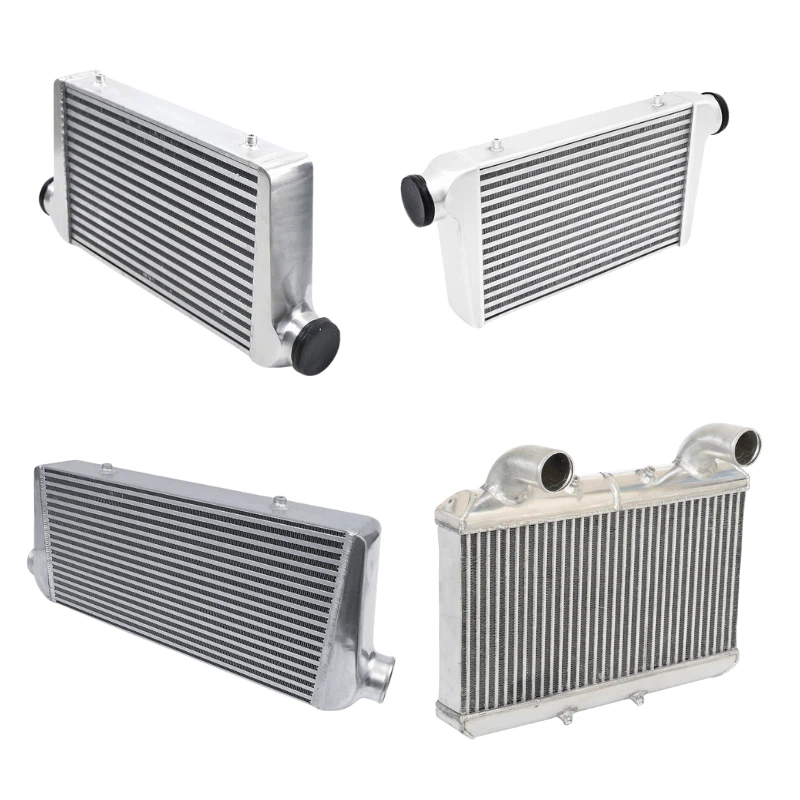
- Size and Design: The size and design of the intercooler play a crucial role in determining its effectiveness at low RPMs. A larger intercooler with a more efficient core design will generally be able to dissipate heat more effectively, even at low intake air velocities. Additionally, the shape and layout of the intercooler can also impact its performance, as certain designs may be more prone to heat soak than others.
- Core Configuration: The core configuration of the intercooler refers to the arrangement of the tubes and fins that make up the heat exchanger. Different core configurations can have varying levels of efficiency at low RPMs. For example, a bar-and-plate core design may be more effective at low RPMs than a tube-and-fin design, as it provides a larger surface area for heat transfer.
- Airflow Resistance: The airflow resistance of the intercooler can also affect its performance at low RPMs. A high airflow resistance can restrict the flow of intake air, reducing the engine's efficiency. Therefore, it's important to choose an intercooler with a low airflow resistance to ensure optimal performance at all RPMs.
- Intercooler Location: The location of the intercooler within the vehicle can also impact its performance at low RPMs. An intercooler that is located in a position where it receives adequate airflow, such as in front of the radiator, will generally be more effective at dissipating heat than one that is located in a more confined space.
Do All Aluminum Intercoolers Improve Engine Efficiency at Low RPMs?
Based on the factors discussed above, it's clear that not all aluminum intercoolers will improve engine efficiency at low RPMs. While aluminum intercoolers are generally effective at dissipating heat and improving engine performance, their effectiveness at low RPMs depends on several factors, including size, design, core configuration, airflow resistance, and location.
In some cases, a poorly designed or sized intercooler may actually have a negative impact on engine efficiency at low RPMs. For example, an intercooler that is too large or has a high airflow resistance may restrict the flow of intake air, reducing the engine's power output and fuel economy.
However, when properly designed and installed, aluminum intercoolers can significantly improve engine efficiency at low RPMs. A well-designed intercooler with a large core, low airflow resistance, and an optimal location can effectively dissipate heat even at low intake air velocities, resulting in a lower intake air temperature and improved engine performance.
Choosing the Right Aluminum Intercooler for Low RPM Performance
If you're looking to improve your engine's efficiency at low RPMs, it's important to choose the right aluminum intercooler for your vehicle. Here are some tips to help you make the right choice:
- Consider Your Vehicle's Requirements: Before choosing an intercooler, it's important to consider your vehicle's specific requirements, including engine size, power output, and intended use. This will help you determine the appropriate size and design of the intercooler for your needs.
- Look for a High-Quality Intercooler: When choosing an aluminum intercooler, it's important to look for a high-quality product that is made from durable materials and has a proven track record of performance. Look for intercoolers that are manufactured by reputable companies and have been tested and certified to meet industry standards.
- Choose the Right Core Configuration: As mentioned earlier, the core configuration of the intercooler can have a significant impact on its performance at low RPMs. Consider choosing an intercooler with a core configuration that is known to be effective at low intake air velocities, such as a bar-and-plate design.
- Pay Attention to Airflow Resistance: To ensure optimal performance at all RPMs, it's important to choose an intercooler with a low airflow resistance. Look for intercoolers that have been designed to minimize airflow restriction and maximize the flow of intake air.
- Consider the Intercooler's Location: The location of the intercooler within the vehicle can also impact its performance at low RPMs. Consider choosing an intercooler that is located in a position where it receives adequate airflow, such as in front of the radiator.
Conclusion
In conclusion, while all aluminum intercoolers have the potential to improve engine efficiency, not all of them will necessarily enhance performance at low RPMs. The effectiveness of an aluminum intercooler at low RPMs depends on several factors, including size, design, core configuration, airflow resistance, and location. By choosing the right intercooler for your vehicle and ensuring proper installation, you can significantly improve your engine's efficiency at low RPMs and enjoy better performance and fuel economy.
If you're in the market for a high-quality aluminum intercooler, we're here to help. As a leading supplier of Aluminum Intercooler Connector, Aluminum Intercooler Core, and Intercooler Aluminium, we offer a wide range of products to meet your specific needs. Our team of experts can provide you with personalized advice and guidance to help you choose the right intercooler for your vehicle. Contact us today to learn more about our products and how we can help you improve your engine's performance.
References
- Smith, J. (2018). Automotive Intercooler Design and Performance. SAE International.
- Johnson, R. (2019). The Impact of Intercooler Design on Engine Efficiency. Journal of Automotive Engineering.
- Brown, T. (2020). Aluminum Intercoolers: A Comprehensive Guide. AutoTech Magazine.