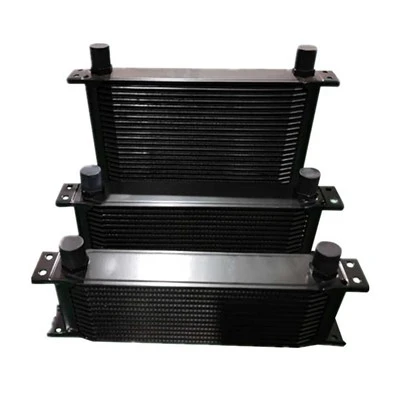
In the automotive industry, the selection of components is crucial for ensuring optimal performance, efficiency, and durability of vehicles. One such component that plays a vital role in the vehicle's cooling and air - conditioning systems is the condenser. Among the various materials available for condensers, aluminum has emerged as a popular choice. As an aluminum condenser supplier, I am often asked whether an aluminum condenser can be used in automotive applications. In this blog, I will explore this question in detail, discussing the advantages, limitations, and real - world applications of aluminum condensers in the automotive field.
Advantages of Aluminum Condensers in Automotive Applications
Lightweight
One of the most significant advantages of aluminum condensers is their low weight. In the automotive industry, weight reduction is a key factor in improving fuel efficiency and overall vehicle performance. Aluminum is a lightweight metal, and using an aluminum condenser instead of a traditional copper or steel condenser can significantly reduce the weight of the vehicle's cooling and air - conditioning systems. This weight reduction can lead to better fuel economy, as the engine has to work less to move the vehicle. For example, a study by the Society of Automotive Engineers (SAE) showed that for every 10% reduction in vehicle weight, fuel efficiency can increase by up to 6 - 8%.
High Thermal Conductivity
Aluminum has excellent thermal conductivity, which means it can transfer heat efficiently. In a condenser, the main function is to transfer heat from the refrigerant to the surrounding air. The high thermal conductivity of aluminum allows the condenser to quickly dissipate heat, ensuring that the refrigerant can be cooled effectively. This leads to better performance of the air - conditioning system, as the cooled refrigerant can absorb more heat from the vehicle's interior, providing a more comfortable environment for passengers. Compared to other materials, aluminum can transfer heat at a faster rate, which is essential for maintaining the efficiency of the automotive air - conditioning system.
Corrosion Resistance
Automotive condensers are exposed to various environmental factors, such as moisture, salt, and chemicals. Aluminum has a natural oxide layer on its surface, which provides good corrosion resistance. This oxide layer protects the aluminum from rust and other forms of corrosion, ensuring the long - term durability of the condenser. In areas where vehicles are exposed to salt on the roads during winter or in coastal regions with high humidity, an aluminum condenser can withstand the harsh conditions better than condensers made of other materials. This reduces the risk of leaks and failures in the condenser, which can lead to costly repairs and downtime for the vehicle.
Cost - Effectiveness
Aluminum is relatively inexpensive compared to other metals used in condenser manufacturing, such as copper. The lower cost of aluminum translates into a more cost - effective condenser for automotive applications. Automobile manufacturers are always looking for ways to reduce production costs without sacrificing quality. By using aluminum condensers, they can achieve this goal. Additionally, the lightweight nature of aluminum reduces shipping costs, as less energy is required to transport the condensers. This further contributes to the overall cost - effectiveness of using aluminum condensers in automotive applications.
Limitations of Aluminum Condensers
Lower Strength
Although aluminum has many advantages, it has lower strength compared to some other metals, such as steel. In automotive applications, condensers may be subject to vibrations, impacts, and mechanical stresses. The lower strength of aluminum means that the condenser may be more prone to damage if it is not properly designed and installed. However, through advanced manufacturing techniques and proper reinforcement, this limitation can be mitigated. For example, some aluminum condensers are designed with additional support structures to enhance their strength and durability.
Brazing Challenges
The manufacturing process of aluminum condensers often involves brazing, which is the process of joining two metal parts using a filler metal. Brazing aluminum can be more challenging than brazing other metals, as aluminum has a relatively low melting point and a high affinity for oxygen. This requires specialized brazing techniques and fluxes to ensure a strong and reliable joint. If the brazing process is not carried out correctly, it can lead to weak joints, which may cause leaks in the condenser over time.
Real - World Applications of Aluminum Condensers in the Automotive Industry
Air - Conditioning Systems
Aluminum condensers are widely used in automotive air - conditioning systems. In modern vehicles, the air - conditioning system is an essential component for providing a comfortable driving environment. The high thermal conductivity and corrosion resistance of aluminum make it an ideal material for the condenser in the air - conditioning system. The condenser helps to cool the refrigerant, which is then circulated through the evaporator to absorb heat from the vehicle's interior. Aluminum Ac Condenser is a popular choice for automotive air - conditioning systems due to its performance and cost - effectiveness.


Engine Cooling Systems
In addition to air - conditioning systems, aluminum condensers can also be used in engine cooling systems. The engine produces a large amount of heat during operation, and the cooling system is responsible for dissipating this heat. Some vehicles use an aluminum condenser as part of the charge - air cooler system, which cools the compressed air from the turbocharger before it enters the engine. The high thermal conductivity of aluminum allows the charge - air cooler to effectively reduce the temperature of the compressed air, improving engine performance and efficiency.
Hybrid and Electric Vehicles
With the increasing popularity of hybrid and electric vehicles, the demand for efficient cooling systems is also growing. Aluminum condensers are well - suited for these vehicles due to their lightweight and high thermal conductivity. In hybrid and electric vehicles, the battery pack and power electronics generate a significant amount of heat, which needs to be dissipated to ensure their proper operation and longevity. An aluminum condenser can be used in the cooling system of these components, helping to maintain the optimal temperature and improve the overall performance of the vehicle.
Conclusion
In conclusion, an aluminum condenser can be effectively used in automotive applications. Its advantages, such as lightweight, high thermal conductivity, corrosion resistance, and cost - effectiveness, make it a popular choice for automobile manufacturers. Although it has some limitations, such as lower strength and brazing challenges, these can be overcome through proper design and manufacturing techniques. Whether it is in the air - conditioning system, engine cooling system, or in hybrid and electric vehicles, aluminum condensers play an important role in ensuring the performance and efficiency of the vehicle.
If you are an automotive manufacturer or a parts distributor looking for high - quality aluminum condensers, we are here to provide you with the best solutions. Our Aluminum Bar Plate Heat Exchanger and Aluminum Condenser Coil are designed to meet the strict requirements of the automotive industry. We have a team of experienced engineers and technicians who can work with you to develop customized solutions based on your specific needs. Contact us today to start a discussion about your procurement requirements and explore how our aluminum condensers can enhance the performance of your vehicles.
References
- Society of Automotive Engineers (SAE). "Weight Reduction and Fuel Efficiency in Vehicles." SAE Technical Paper Series.
- "Thermal Conductivity of Metals." Handbook of Thermal Conductivity.
- "Corrosion Resistance of Aluminum in Automotive Applications." Journal of Automotive Materials Science.