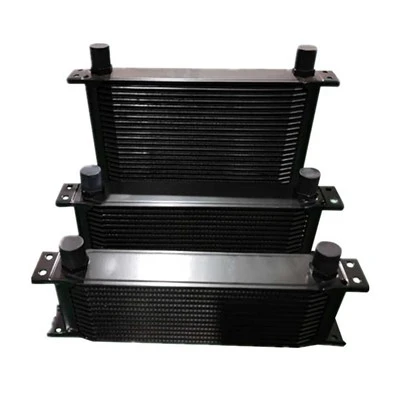
As a supplier of aluminum AC condensers, I often receive inquiries about the various functions and benefits of our products. One question that comes up quite frequently is whether an aluminum AC condenser can reduce humidity in a room. In this blog post, I'll delve into the science behind air conditioning, how aluminum AC condensers work, and their role in humidity control.
Understanding the Basics of Air Conditioning
To understand how an aluminum AC condenser might affect room humidity, we first need to grasp the fundamentals of how an air - conditioning system operates. At its core, an air - conditioning system is designed to remove heat and moisture from the air in a room. It does this through a refrigeration cycle that involves several key components: the evaporator coil, the compressor, the condenser coil, and the expansion valve.
The process starts when warm, humid air from the room is drawn into the air - conditioning unit and passes over the evaporator coil. The refrigerant in the evaporator coil is at a very low temperature, causing the warm air to cool down. As the air cools, its ability to hold moisture decreases, and water vapor in the air condenses into liquid water. This condensed water is then drained out of the unit, effectively removing moisture from the air.
The now - cooled and dehumidified air is blown back into the room, while the refrigerant in the evaporator coil absorbs heat from the air and turns into a gas. This gaseous refrigerant is then compressed by the compressor, which increases its temperature and pressure. The high - pressure, high - temperature refrigerant then flows to the condenser coil.
The Role of the Condenser Coil
The condenser coil is where the heat absorbed by the refrigerant in the evaporator coil is released. When the hot, high - pressure refrigerant enters the condenser coil, it comes into contact with the outside air (in a split - system AC) or is cooled by a fan (in a window - type AC). As the refrigerant loses heat, it condenses back into a liquid state.
Here's where aluminum comes into play. Aluminum is an excellent choice for condenser coils due to its high thermal conductivity. This means that it can transfer heat from the refrigerant to the surrounding air more efficiently than many other materials. An Aluminum Condenser Coil can quickly dissipate the heat, allowing the refrigerant to condense back into a liquid faster. This efficient heat transfer helps the entire air - conditioning system operate more effectively and can contribute to better overall performance.
Can an Aluminum AC Condenser Reduce Humidity?
The answer is yes, but it's a bit of an indirect effect. An aluminum AC condenser itself doesn't directly remove moisture from the air in the room. The dehumidification process primarily occurs at the evaporator coil, as described earlier. However, the condenser plays a crucial role in the overall efficiency of the air - conditioning system, which in turn affects humidity control.
When the condenser coil can transfer heat efficiently, the refrigerant can complete the refrigeration cycle more quickly. This allows the evaporator coil to continue removing heat and moisture from the room air at a consistent rate. If the condenser is not working properly or is made of a less - efficient material, the refrigeration cycle can slow down. This may lead to the evaporator coil not being able to cool the air as effectively, and less moisture will be condensed out of the air.
In addition, an efficient Aluminum Ac Condenser can help the air - conditioning system maintain a more stable temperature and humidity level in the room. By ensuring that the system can run smoothly and efficiently, it can prevent situations where the air - conditioner cycles on and off too frequently, which can lead to inconsistent humidity control.
Advantages of Aluminum in AC Condensers for Humidity Control
There are several reasons why aluminum is a great material for AC condensers when it comes to humidity control:
1. Lightweight and Durable
Aluminum is lightweight, which makes it easier to install and handle during the manufacturing and installation process of the air - conditioning unit. It is also resistant to corrosion, especially when properly treated. This durability ensures that the condenser can function effectively over a long period, maintaining its ability to transfer heat efficiently and support the dehumidification process.
2. Cost - Effective
Aluminum is relatively inexpensive compared to some other materials used in condenser coils, such as copper. This cost - effectiveness allows for more affordable air - conditioning systems, which can be beneficial for consumers. And when consumers can afford better - quality air - conditioners with efficient aluminum condensers, they are more likely to have proper humidity control in their rooms.
3. Energy Efficiency
As mentioned earlier, aluminum's high thermal conductivity means that the condenser can transfer heat more efficiently. This leads to lower energy consumption by the air - conditioning system. When an AC unit uses less energy, it can run more continuously and effectively remove moisture from the air, resulting in better humidity control.
Other Considerations for Humidity Control
While an aluminum AC condenser can contribute to humidity control, it's important to note that there are other factors at play. The size of the air - conditioning unit relative to the room size is crucial. An undersized unit may not be able to cool and dehumidify the room effectively, while an oversized unit may cycle on and off too quickly, not allowing enough time for proper moisture removal.
The air circulation in the room also matters. Properly placed vents and fans can help ensure that the cooled and dehumidified air is evenly distributed throughout the room. Additionally, the outdoor conditions, such as the temperature and humidity outside, can affect the performance of the air - conditioning system and its ability to control humidity indoors.
Conclusion
In conclusion, an aluminum AC condenser can indeed have a positive impact on reducing humidity in a room. Although the primary dehumidification occurs at the evaporator coil, the condenser's efficiency in transferring heat is vital for the overall performance of the air - conditioning system. Aluminum's excellent thermal conductivity, durability, cost - effectiveness, and energy - saving properties make it an ideal material for condenser coils, which in turn supports better humidity control.


If you're in the market for an Aluminum AC Condenser or related products like the Aluminum Bar Plate Heat Exchanger, I encourage you to reach out for a detailed discussion. Our team of experts can provide you with the best solutions tailored to your specific needs. Whether it's for residential or commercial applications, we have the products and knowledge to help you achieve optimal humidity control and comfort in your space. Contact us today to start the conversation about your air - conditioning requirements.
References
- ASHRAE Handbook - Fundamentals. American Society of Heating, Refrigerating and Air - Conditioning Engineers.
- "Thermal Performance of Aluminum Condenser Coils in Air - Conditioning Systems." Journal of HVAC Research.
- "The Role of Condenser Efficiency in Indoor Humidity Control." Proceedings of the International Conference on Air Conditioning and Refrigeration.