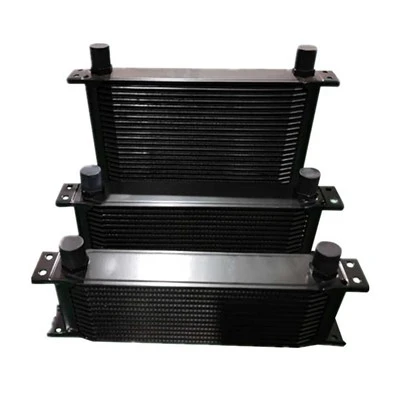
As a supplier of Japanese car radiators, I've encountered numerous inquiries regarding the potential issues stemming from using a radiator that is too small for a Japanese car. This topic is of great significance as it directly impacts the performance, reliability, and longevity of a vehicle's engine. In this blog, I'll delve into the technical aspects, potential problems, and implications of using an undersized radiator in a Japanese car.
How a Car Radiator Works
Before we explore the problems associated with an undersized radiator, it's essential to understand how a car radiator functions. A radiator is a key component of a vehicle's cooling system, responsible for dissipating heat generated by the engine. The engine produces a substantial amount of heat during operation, and if this heat is not properly managed, it can lead to overheating and severe engine damage.
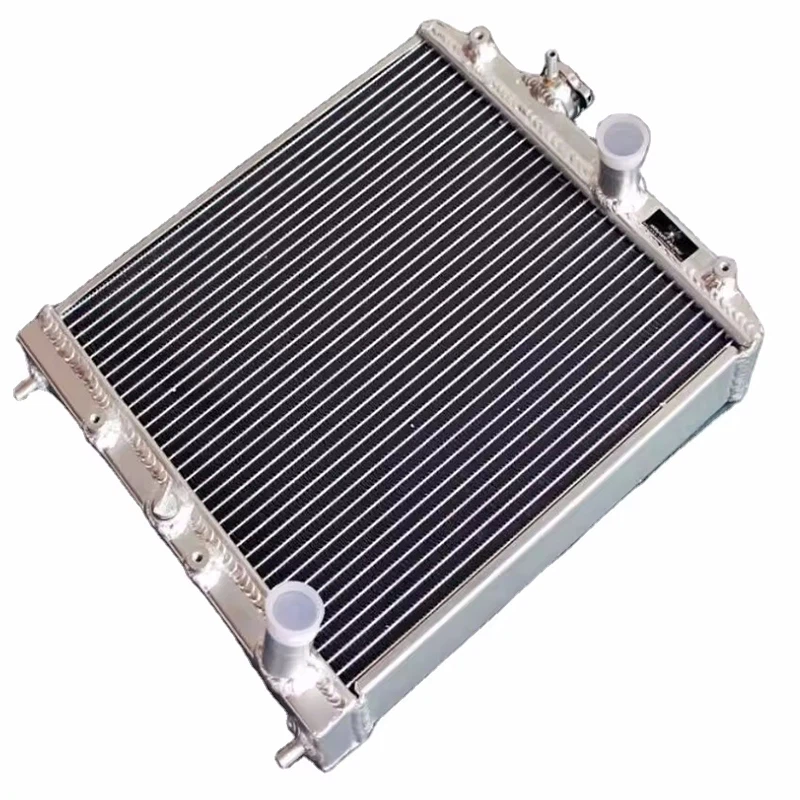
The cooling system circulates coolant through the engine block, absorbing heat from the engine components. The hot coolant then flows into the radiator, where it passes through a series of tubes and fins. As air passes over the fins, it transfers the heat from the coolant to the surrounding air, cooling the coolant down. The cooled coolant is then recirculated back into the engine to repeat the process.
The Consequences of an Undersized Radiator
When a radiator is too small for a Japanese car, it may not have the capacity to dissipate the heat generated by the engine effectively. This can lead to a variety of problems, including:
1. Overheating
One of the most obvious consequences of an undersized radiator is overheating. If the radiator cannot cool the coolant down sufficiently, the engine temperature will rise, potentially leading to overheating. Overheating can cause a range of issues, from minor performance problems to severe engine damage. In extreme cases, it can even cause the engine to seize, leaving you stranded on the road.
2. Reduced Engine Performance
An overheating engine can also lead to reduced performance. As the engine temperature rises, the combustion process becomes less efficient, resulting in a loss of power and acceleration. You may notice that your car feels sluggish or has difficulty maintaining speed, especially when driving in hot weather or under heavy loads.

3. Increased Wear and Tear
Overheating can also cause increased wear and tear on the engine components. The high temperatures can cause the metal parts to expand and contract, leading to stress and fatigue. This can result in premature wear of the pistons, cylinders, valves, and other engine components, reducing the lifespan of the engine and increasing the likelihood of costly repairs.
4. Coolant Boiling and Loss
When the engine overheats, the coolant can reach its boiling point, causing it to turn into steam. This can lead to a loss of coolant pressure, which can cause the coolant to leak from the cooling system. A coolant leak can further exacerbate the overheating problem, as it reduces the amount of coolant available to absorb and dissipate heat.
5. Damage to Other Components
In addition to the engine, an undersized radiator can also cause damage to other components of the cooling system. The high temperatures can cause the hoses, gaskets, and seals to deteriorate, leading to leaks and other problems. The water pump, which is responsible for circulating the coolant through the system, can also be damaged by the increased heat and pressure.
Factors to Consider When Choosing a Radiator
When selecting a radiator for a Japanese car, it's important to consider several factors to ensure that you choose the right size and type of radiator for your vehicle. These factors include:
1. Engine Size and Power
The size and power of your engine will determine the amount of heat that it generates. A larger, more powerful engine will produce more heat than a smaller, less powerful engine, so it will require a larger radiator to dissipate the heat effectively.
2. Driving Conditions
Your driving conditions can also affect the amount of heat that your engine generates. If you frequently drive in hot weather, heavy traffic, or under heavy loads, your engine will produce more heat than if you drive in cooler weather or under normal conditions. In these situations, you may need a larger radiator to ensure that your engine stays cool.
3. Cooling System Design
The design of your vehicle's cooling system can also affect the performance of the radiator. Some vehicles have more efficient cooling systems than others, which may require a smaller radiator to achieve the same level of cooling. It's important to consult your vehicle's owner's manual or a professional mechanic to determine the appropriate radiator size and type for your vehicle.
4. Quality and Durability
When choosing a radiator, it's important to choose a high-quality, durable radiator that is designed to last. Look for radiators that are made from high-quality materials, such as aluminum or copper, and that are designed to withstand the rigors of daily use. A good radiator should also come with a warranty to ensure that you are protected in case of any defects or problems.
Our Japanese Car Radiator Offerings
As a supplier of Japanese car radiators, we offer a wide range of radiators for various Japanese car models. Our radiators are designed to meet or exceed the original equipment manufacturer (OEM) specifications, ensuring a perfect fit and optimal performance. We offer radiators for popular Japanese car brands such as Toyota, Honda, Nissan, Mazda, and Subaru.
Some of our popular radiator models include the Porsche 944 Aluminum Radiator, Toyota 3.0 Aluminum Radiator, and Honda Aluminum Radiator. These radiators are made from high-quality aluminum, which offers excellent heat dissipation properties and is lightweight and durable.
Conclusion
In conclusion, using a radiator that is too small for a Japanese car can cause a variety of problems, including overheating, reduced engine performance, increased wear and tear, coolant boiling and loss, and damage to other components. To avoid these problems, it's important to choose the right size and type of radiator for your vehicle, based on factors such as engine size and power, driving conditions, cooling system design, and quality and durability.
As a trusted supplier of Japanese car radiators, we are committed to providing our customers with high-quality, reliable radiators that are designed to meet their specific needs. If you have any questions or need help choosing the right radiator for your Japanese car, please don't hesitate to contact us. We would be happy to assist you with your purchase and provide you with the information and support that you need to keep your engine running cool and efficiently.
References
- Bosch Automotive Handbook. 7th Edition.
- Chilton's Automotive Repair Manuals. Various Editions.
- Haynes Repair Manuals. Various Editions.