Can a Low Coolant Level Damage an American Car Radiator?
As a trusted American car radiator supplier, I've seen firsthand the impact that various factors can have on the performance and longevity of radiators. One of the most common questions I'm asked is whether a low coolant level can damage an American car radiator. In this blog post, I'll delve into the science behind this issue, explain the potential consequences, and offer some tips on how to prevent radiator damage.
Understanding the Role of Coolant in a Car Radiator
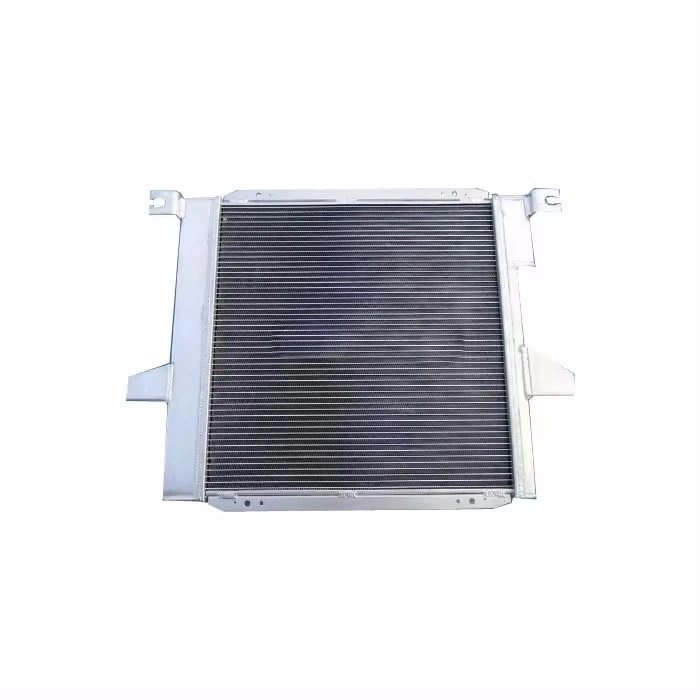
Before we can discuss the effects of a low coolant level, it's important to understand the role that coolant plays in a car radiator. The radiator is a crucial component of a vehicle's cooling system, responsible for dissipating heat generated by the engine. Coolant, also known as antifreeze, circulates through the engine, absorbing heat and carrying it to the radiator. Inside the radiator, the coolant passes through a series of small tubes, where it releases heat to the surrounding air. The cooled coolant then returns to the engine to repeat the process.
Coolant serves several important functions in addition to heat transfer. It also helps to prevent corrosion and rust within the cooling system, lubricates the water pump, and provides protection against freezing in cold temperatures. Without an adequate supply of coolant, the cooling system cannot function properly, which can lead to a variety of problems.
The Consequences of a Low Coolant Level
When the coolant level in a car radiator drops below the recommended level, it can have several negative consequences. Here are some of the most common issues that can arise:

Overheating
One of the most immediate and obvious consequences of a low coolant level is overheating. Without enough coolant to absorb and transfer heat away from the engine, the temperature inside the engine can rise rapidly. This can cause the engine to overheat, which can lead to serious damage if not addressed promptly. Overheating can cause the engine to warp, crack, or seize, resulting in costly repairs or even the need for a complete engine replacement.
Reduced Cooling Efficiency
Even if the engine doesn't overheat, a low coolant level can still reduce the cooling efficiency of the radiator. When the coolant level is low, there is less coolant available to absorb and transfer heat, which means that the radiator has to work harder to keep the engine cool. This can lead to increased wear and tear on the radiator and other components of the cooling system, reducing their lifespan and increasing the risk of failure.
Corrosion and Rust
Coolant contains additives that help to prevent corrosion and rust within the cooling system. When the coolant level is low, these additives can become diluted, reducing their effectiveness. As a result, the metal components of the radiator and other parts of the cooling system are more susceptible to corrosion and rust. Corrosion and rust can cause the radiator to leak, which can further reduce the coolant level and exacerbate the problem.
Air Pockets
A low coolant level can also cause air pockets to form within the cooling system. Air pockets can prevent the proper circulation of coolant, which can lead to uneven cooling and hot spots within the engine. This can cause the engine to overheat and can also damage the radiator and other components of the cooling system.
How to Prevent Radiator Damage from a Low Coolant Level
Preventing radiator damage from a low coolant level is relatively simple. Here are some tips to help you keep your radiator in good condition:
Check the Coolant Level Regularly
One of the most important things you can do to prevent radiator damage is to check the coolant level regularly. Most vehicles have a coolant reservoir with a minimum and maximum level marked on the side. Check the coolant level at least once a month and top it off as needed. If you notice that the coolant level is consistently low, it may be a sign of a leak in the cooling system, which should be addressed by a professional mechanic.
Use the Right Type of Coolant
It's important to use the right type of coolant for your vehicle. Different vehicles require different types of coolant, so be sure to check your owner's manual for the recommended coolant type. Using the wrong type of coolant can cause damage to the radiator and other components of the cooling system.
Flush and Replace the Coolant Regularly
Over time, coolant can become contaminated with dirt, debris, and other contaminants. This can reduce its effectiveness and increase the risk of corrosion and rust. To prevent these problems, it's important to flush and replace the coolant regularly. Most vehicles require a coolant flush every 30,000 to 50,000 miles, but be sure to check your owner's manual for the recommended interval.
Inspect the Cooling System for Leaks
Leaks in the cooling system can cause the coolant level to drop, which can lead to radiator damage. To prevent leaks, it's important to inspect the cooling system regularly for signs of damage or wear. Check the hoses, radiator, water pump, and other components of the cooling system for cracks, leaks, or other signs of damage. If you notice any problems, have them repaired by a professional mechanic as soon as possible.
Our American Car Radiator Products
At our company, we offer a wide range of high-quality American car radiators to meet the needs of our customers. Our radiators are designed and manufactured to the highest standards of quality and performance, and are built to last. Whether you're looking for a Chevy Truck Aluminum Radiator, a Chevy 4 Core Aluminum Radiator, or a 1978 Ford F150 Aluminum Radiator, we have the right radiator for your vehicle.
Our radiators are made from high-quality materials, including aluminum and copper, which offer excellent heat transfer properties and corrosion resistance. They are also designed to fit perfectly in your vehicle, ensuring a hassle-free installation. In addition to our standard radiators, we also offer custom radiators for specialty applications.
Contact Us for Your Radiator Needs
If you're in the market for a new American car radiator, or if you have any questions about radiator maintenance or repair, please don't hesitate to contact us. Our team of experts is here to help you find the right radiator for your vehicle and to provide you with the information and support you need to keep your cooling system in top condition. We offer competitive prices, fast shipping, and excellent customer service, so you can trust us to meet your radiator needs.
References
- "How a Car Cooling System Works." AutoZone.
- "Coolant: What It Is and Why It's Important." YourMechanic.
- "Preventing Radiator Damage." Car and Driver.