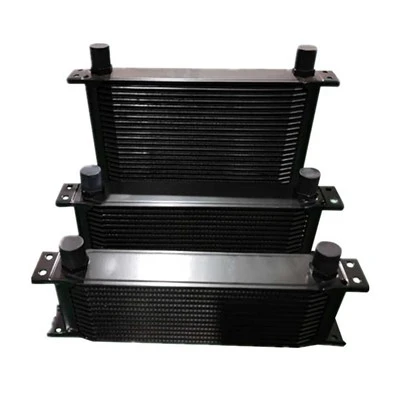
Hey there, car enthusiasts! I'm a supplier of Chevy aluminum radiators, and I get this question a lot: "Can a Chevy aluminum radiator work with a stock cooling fan?" Well, let's dive right in and explore this topic.
First off, let's talk about what makes a Chevy aluminum radiator so great. Aluminum radiators are known for their excellent heat transfer properties. They're lightweight compared to traditional copper - brass radiators, which means less weight on your vehicle and potentially better fuel economy. Aluminum is also more corrosion - resistant, so it'll last longer.
Now, when it comes to using a Chevy aluminum radiator with a stock cooling fan, the short answer is, in most cases, yes, it can work. The stock cooling fan is designed to work with the vehicle's cooling system and is generally sized to move an appropriate amount of air through the radiator. But there are a few factors to consider.


Compatibility
The first thing you need to check is the physical compatibility. Chevy has a wide range of models, and different models may have different radiator and fan configurations. For example, the mounting points of the radiator and the fan need to line up correctly. You don't want to end up with a situation where the radiator is too big or too small for the fan to effectively cool it.
Most Chevy aluminum radiators are designed to be a direct replacement for the stock radiators. This means they usually have the same mounting holes and dimensions as the original radiators. So, if your vehicle's stock fan was positioned and sized correctly for the stock radiator, chances are it'll fit well with the new aluminum radiator too.
Cooling Capacity
Another important aspect is the cooling capacity. A Chevy aluminum radiator can have a higher cooling capacity than the stock radiator. It can dissipate heat more efficiently. But if your stock cooling fan isn't powerful enough to push or pull air through the radiator at an adequate rate, it might not be able to take full advantage of the radiator's capabilities.
Let's say you've upgraded to a high - performance Chevy aluminum radiator. In this case, the radiator can handle more heat generated by your engine, perhaps due to modifications or driving in harsh conditions. If the stock fan is only designed to handle the heat output of the stock radiator, it may struggle to cool the engine effectively when there's more heat to deal with. For instance, driving in stop - and - go traffic on a hot summer day can really put a strain on the cooling system. The radiator might be capable of getting rid of the heat, but the stock fan may not move enough air to make that happen.
Fan Performance
The performance of the stock cooling fan can degrade over time. The motor may wear out, or the blades may get damaged. If you're thinking of using a stock cooling fan with a new aluminum radiator, it's a good idea to check the fan's condition. You can listen for any strange noises when the fan is running. If it's making a grinding or whining sound, that's a sign that something might be wrong.
You can also test the fan's speed. A slower - than - normal fan speed won't be able to move enough air through the radiator. You can use an infrared thermometer to measure the temperature of the radiator before and after the fan is running. If there's not much of a temperature difference, it could mean the fan isn't working effectively.
Benefits of Using a Stock Cooling Fan with a Chevy Aluminum Radiator
If the stock fan is in good condition and is compatible with the radiator, there are some benefits to using the combination. One of the biggest advantages is cost - savings. You don't have to spend money on a new cooling fan. Also, it's a relatively simple installation. You can just swap out the old radiator for the new aluminum one and use the existing fan.
Upgrading the Cooling Fan
If you find that your stock cooling fan isn't up to the task, you might want to consider upgrading it. There are aftermarket cooling fans available that can provide better performance. These fans often have more powerful motors and larger blades, which can move more air.
When looking for an upgraded cooling fan, make sure it's compatible with your Chevy aluminum radiator and your vehicle. You can read reviews online or ask other car enthusiasts for recommendations. Just like the radiator, the fan should be a good fit in terms of physical dimensions and mounting points.
Now, I'd like to mention some of our other products. If you're not driving a Chevy, we also have a great selection of radiators for other American cars. Check out our 1932 Ford Aluminum Radiator, Aluminum Radiator Mustang, and Jeep Cherokee Aluminum Radiator.
In conclusion, a Chevy aluminum radiator can work with a stock cooling fan in many cases. But it's important to check for compatibility and assess the fan's performance. If you have any questions about our Chevy aluminum radiators or need help determining if a stock cooling fan will work for your setup, don't hesitate to reach out. We're here to help you make the best decision for your vehicle's cooling system. Whether you're a DIY mechanic or a professional, we've got the products and knowledge to keep your engine cool. So, if you're in the market for a new radiator, get in touch and let's start the conversation!
References
- "Automotive Cooling System Basics", General Automotive Knowledge Handbook
- "Aluminum Radiator Technology", Car Enthusiast Magazine, 2022 Issue