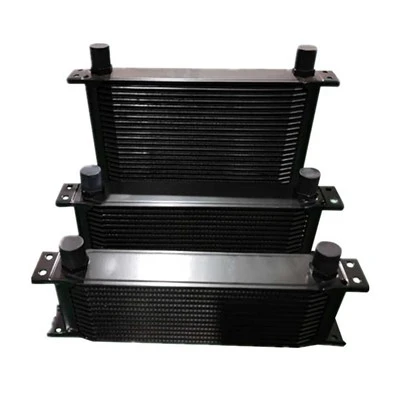
As a supplier of champion aluminum radiators, I've witnessed firsthand the transformative impact these products can have on engine performance. One of the most pressing concerns for vehicle owners is engine overheating, a problem that can lead to significant damage and costly repairs. In this blog, we'll explore whether a champion aluminum radiator can indeed reduce engine overheating.
Understanding Engine Overheating
Before delving into the role of champion aluminum radiators, it's essential to understand why engines overheat. An engine generates an enormous amount of heat during operation. The combustion process, friction between moving parts, and electrical components all contribute to this heat buildup. If this heat isn't effectively managed, it can cause the engine to overheat.
Several factors can lead to engine overheating. A malfunctioning cooling system is a common culprit. This could include a leak in the radiator, a faulty water pump, or a clogged radiator. Low coolant levels can also prevent the engine from being adequately cooled. Additionally, driving conditions such as heavy traffic, towing heavy loads, or driving in hot weather can put extra strain on the engine and increase the risk of overheating.
The Role of a Radiator in Engine Cooling
A radiator is a crucial component of a vehicle's cooling system. Its primary function is to dissipate the heat generated by the engine. Coolant, a mixture of water and antifreeze, circulates through the engine, absorbing heat as it goes. The hot coolant then flows into the radiator, where it passes through a series of small tubes. As air passes over these tubes, it cools the coolant, which is then pumped back into the engine to repeat the process.
The efficiency of a radiator depends on several factors, including its size, design, and the material it's made from. A larger radiator generally has more surface area for heat transfer, allowing it to cool the coolant more effectively. The design of the radiator, such as the number and arrangement of tubes and fins, also plays a role in its cooling performance.
Why Aluminum Radiators?
Aluminum radiators have become increasingly popular in recent years, and for good reason. Aluminum is a lightweight and highly conductive metal, making it an ideal material for radiators. Its high thermal conductivity allows it to transfer heat more efficiently than other materials, such as copper or brass. This means that an aluminum radiator can cool the coolant more quickly, reducing the risk of engine overheating.
In addition to its superior heat transfer properties, aluminum is also corrosion-resistant. This is important because radiators are constantly exposed to coolant, which can be corrosive over time. A corrosion-resistant radiator will last longer and require less maintenance, saving vehicle owners time and money in the long run.
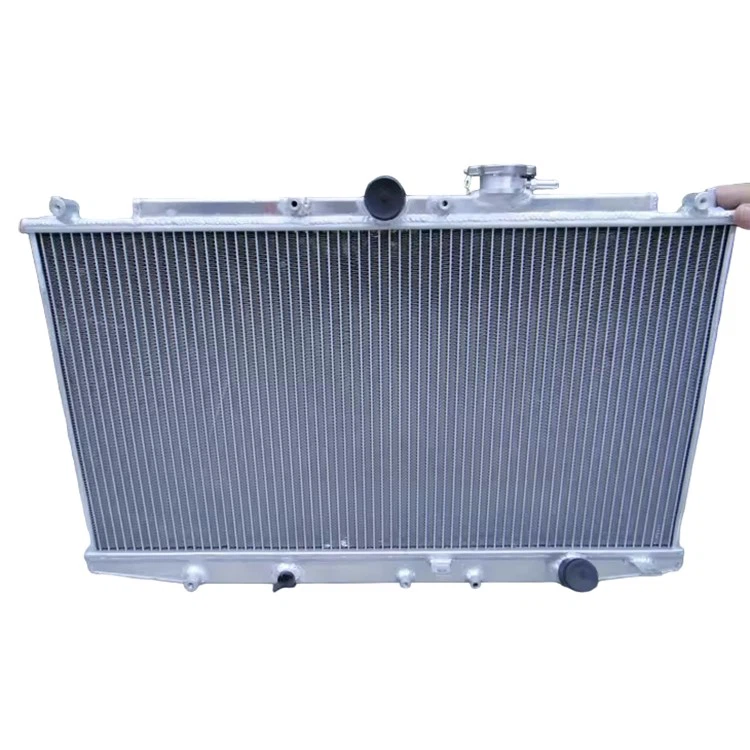
Champion aluminum radiators are designed with these benefits in mind. They are engineered to provide maximum cooling performance while being durable and reliable. Our radiators feature a high-quality aluminum construction with a large number of tubes and fins, ensuring efficient heat transfer. They are also designed to fit a wide range of vehicle makes and models, making them a versatile choice for vehicle owners.
Can a Champion Aluminum Radiator Reduce Engine Overheating?
The short answer is yes. A champion aluminum radiator can significantly reduce the risk of engine overheating. Its superior heat transfer properties allow it to cool the coolant more effectively, keeping the engine at a safe operating temperature. This is especially important for vehicles that are used in demanding conditions, such as towing heavy loads or driving in hot weather.
Let's take a closer look at some of the ways a champion aluminum radiator can help prevent engine overheating:
- Efficient Heat Transfer: As mentioned earlier, aluminum has a high thermal conductivity, which means it can transfer heat more quickly than other materials. This allows the radiator to cool the coolant more efficiently, reducing the temperature of the engine.
- Lightweight Design: Aluminum is a lightweight metal, which can reduce the overall weight of the vehicle. A lighter vehicle requires less energy to move, which can improve fuel efficiency and reduce the strain on the engine.
- Corrosion Resistance: Aluminum radiators are resistant to corrosion, which means they will last longer and require less maintenance. This can save vehicle owners money in the long run by reducing the need for costly repairs or replacements.
- Custom Fit: Champion aluminum radiators are designed to fit a wide range of vehicle makes and models. This ensures a proper fit and optimal performance, which is essential for preventing engine overheating.
Real-World Examples
To illustrate the effectiveness of champion aluminum radiators in reducing engine overheating, let's look at some real-world examples. Many vehicle owners have reported significant improvements in engine temperature after installing a champion aluminum radiator.
For example, a Toyota Pickup owner who frequently towed heavy loads noticed that his engine would often overheat, especially in hot weather. After installing a Toyota Pickup Aluminum Radiator, he reported that the engine temperature remained stable, even under heavy load. The improved cooling performance allowed him to tow his loads with confidence, without worrying about engine damage.
Similarly, a Honda Civic owner who lived in a hot climate experienced frequent engine overheating issues. After replacing his old radiator with a Honda Civic Radiator Aluminum, he noticed a significant reduction in engine temperature. The new radiator was able to cool the engine more efficiently, even in the scorching heat, and he no longer had to worry about his engine overheating.
Another example is a Mazda Miata owner who enjoyed taking his car on long road trips. He found that the engine would sometimes overheat during these trips, especially when driving up steep hills. After installing a Mazda Miata Aluminum Radiator, he noticed a marked improvement in the engine's cooling performance. The radiator was able to keep the engine temperature in check, even during extended periods of driving, allowing him to enjoy his road trips without any worries.
Choosing the Right Champion Aluminum Radiator
When choosing a champion aluminum radiator for your vehicle, it's important to consider several factors. First, you need to make sure the radiator is the right size and fit for your vehicle. This can usually be determined by the make, model, and year of your vehicle. You can also consult your vehicle's owner's manual or a professional mechanic for guidance.
It's also important to consider the cooling requirements of your vehicle. If you use your vehicle in demanding conditions, such as towing heavy loads or driving in hot weather, you may need a larger or more powerful radiator. Our team of experts can help you choose the right radiator for your specific needs.

Conclusion
In conclusion, a champion aluminum radiator can indeed reduce engine overheating. Its superior heat transfer properties, lightweight design, and corrosion resistance make it an excellent choice for vehicle owners who want to keep their engines running cool and reliable. Whether you're a daily commuter, a weekend warrior, or a professional driver, a champion aluminum radiator can provide the cooling performance you need to prevent engine damage and costly repairs.
If you're interested in learning more about our champion aluminum radiators or would like to discuss your specific needs, we'd love to hear from you. Contact us today to start a conversation about how we can help you keep your engine cool and your vehicle running smoothly.
References
- "Automotive Cooling Systems: Principles and Practice" by Jack Erjavec
- "The Automotive Handbook" by Bosch