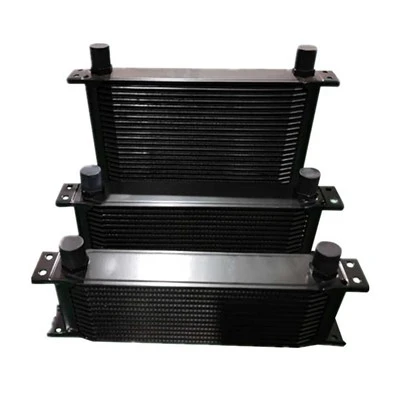
Hey there! As a supplier of Ford aluminum radiators, I often get asked about the specific instructions for transporting these bad boys. So, I thought I'd put together a little blog post to share some insights and tips on how to transport a Ford aluminum radiator safely and effectively.
First things first, let's talk about why it's so important to handle these radiators with care during transportation. Aluminum radiators are designed to be lightweight and efficient, but they're also a bit more delicate than their traditional copper or brass counterparts. The thin aluminum fins and tubes can easily get bent or damaged if they're not properly protected, which can lead to leaks, reduced cooling performance, and even complete radiator failure. So, taking the time to follow the right transportation procedures is crucial to ensure that your radiator arrives at its destination in top-notch condition.
Preparation Before Transport
Before you even think about loading your Ford aluminum radiator onto a truck or into a car, you need to give it a good once-over to make sure it's in good shape. Check for any visible signs of damage, such as bent fins, dented tubes, or leaks. If you notice any issues, it's best to address them before transporting the radiator to avoid further damage during transit.
Once you've confirmed that the radiator is in good condition, it's time to prepare it for transport. Start by draining all the coolant from the radiator. This not only reduces the weight of the radiator but also prevents any coolant from leaking out during transportation, which can cause damage to the radiator and other components. To drain the coolant, simply locate the drain plug at the bottom of the radiator and open it. Make sure to collect the coolant in a suitable container and dispose of it properly according to local regulations.
After draining the coolant, you'll want to clean the radiator to remove any dirt, debris, or corrosion that may have accumulated on the surface. You can use a mild detergent and a soft brush to gently scrub the radiator, being careful not to damage the fins or tubes. Rinse the radiator thoroughly with clean water and let it dry completely before proceeding.
Packaging the Radiator
Proper packaging is key to protecting your Ford aluminum radiator during transportation. You'll want to use a sturdy box that's slightly larger than the radiator to allow for some cushioning material. You can find suitable boxes at your local hardware store or shipping supply store.
Line the bottom of the box with a layer of bubble wrap or foam padding to provide a soft surface for the radiator to rest on. Place the radiator in the box, making sure it's centered and not touching the sides of the box. Fill the remaining space around the radiator with additional bubble wrap, foam peanuts, or packing paper to prevent it from shifting during transit.
If the radiator has any protruding parts, such as mounting brackets or hoses, you'll want to protect them with additional padding or wrapping to prevent them from getting damaged. You can use zip ties or tape to secure the padding in place.
Once the radiator is securely packed in the box, seal the box with strong packing tape. Make sure to reinforce the seams and edges of the box to prevent it from opening during transportation.
Choosing the Right Transportation Method
The method of transportation you choose will depend on several factors, such as the distance the radiator needs to travel, the size and weight of the radiator, and your budget. Here are some common transportation options to consider:
- Shipping by Courier: If you're shipping the radiator a long distance, using a courier service like UPS, FedEx, or DHL is a convenient and reliable option. These services offer tracking and insurance options to ensure that your radiator arrives at its destination safely. Make sure to choose a shipping option that provides adequate protection for the radiator, such as a signature confirmation or insurance coverage.
- Shipping by Freight: For larger or heavier radiators, shipping by freight may be a more cost-effective option. Freight carriers specialize in transporting large and bulky items and can provide door-to-door service. You'll need to arrange for a freight quote and make sure to provide accurate dimensions and weight information to ensure that the carrier can provide the appropriate equipment and handling.
- Transporting in a Vehicle: If you're transporting the radiator locally, you can simply load it into your vehicle and drive it to its destination. Make sure to secure the radiator in the vehicle to prevent it from shifting or getting damaged during transit. You can use straps or bungee cords to secure the radiator to the vehicle's interior or cargo area.
Handling During Transportation
Regardless of the transportation method you choose, it's important to handle the radiator with care during transit. Here are some tips to keep in mind:
- Avoid Rough Handling: When loading and unloading the radiator, make sure to handle it gently and avoid dropping or banging it against hard surfaces. Rough handling can cause damage to the fins and tubes, which can lead to leaks and reduced cooling performance.
- Keep the Radiator Upright: Whenever possible, keep the radiator in an upright position during transportation. This helps to prevent any coolant from pooling in the radiator and causing damage to the internal components.
- Protect the Radiator from Extreme Temperatures: Extreme temperatures can also cause damage to the radiator. Avoid exposing the radiator to direct sunlight, extreme heat, or cold temperatures for extended periods of time. If you're transporting the radiator in a vehicle, make sure to park it in a shaded area or use a temperature-controlled environment if necessary.
Conclusion
Transporting a Ford aluminum radiator requires a little bit of extra care and attention, but it's definitely worth it to ensure that your radiator arrives at its destination in good condition. By following the tips and instructions outlined in this blog post, you can minimize the risk of damage and ensure that your radiator is ready to install and perform at its best.


If you're in the market for a high-quality Ford aluminum radiator, we've got you covered. We offer a wide range of Chevelle Aluminum Radiator, Ford 460 Aluminum Radiator, and Ford Bronco Aluminum Radiator options to suit your specific needs and requirements. Our radiators are made from high-quality materials and are designed to provide superior cooling performance and reliability.
If you have any questions or would like to learn more about our products, please don't hesitate to contact us. We're here to help you find the perfect radiator for your vehicle and ensure that you have a hassle-free purchasing experience.
References
- General automotive repair manuals
- Industry best practices for radiator transportation