When it comes to automotive radiators, Subaru aluminum radiators have gained significant attention in the market. As a supplier of Subaru aluminum radiators, I often encounter inquiries from customers about the installation process. One common question is whether Subaru aluminum radiators are more difficult to install than other radiators. In this blog post, I will delve into this topic, exploring the characteristics of Subaru aluminum radiators and comparing their installation complexity with other types of radiators.

Understanding Subaru Aluminum Radiators
Subaru aluminum radiators are known for their lightweight construction, excellent heat dissipation capabilities, and corrosion resistance. Aluminum is a popular material for radiators due to its high thermal conductivity, which allows for efficient transfer of heat from the coolant to the surrounding air. This results in better engine cooling performance, especially in high - stress driving conditions.
Subaru vehicles have unique engine designs and cooling system requirements. The radiators are specifically engineered to fit these vehicles precisely, ensuring optimal performance. For example, Subaru's boxer engines have a lower center of gravity and a different layout compared to traditional inline or V - shaped engines. This means that the radiator needs to be designed to work in harmony with the specific coolant flow patterns and space constraints of the Subaru engine bay.
Installation Factors of Subaru Aluminum Radiators
1. Fitment
One of the key aspects of radiator installation is fitment. Subaru aluminum radiators are designed to be a direct replacement for the original equipment radiators in Subaru vehicles. This means that they are engineered to match the mounting points, inlet and outlet locations, and overall dimensions of the stock radiators. In most cases, this simplifies the installation process as there is no need for extensive modifications to the vehicle's cooling system or engine bay.
However, compared to some universal radiators that can be adapted to multiple vehicle models with a bit of custom work, Subaru radiators are highly vehicle - specific. While this ensures a perfect fit for Subaru cars, it also means that if a mechanic is not familiar with Subaru vehicles, they may face some challenges in aligning the radiator correctly and connecting all the necessary hoses and fittings.
2. Hose and Fitting Connections
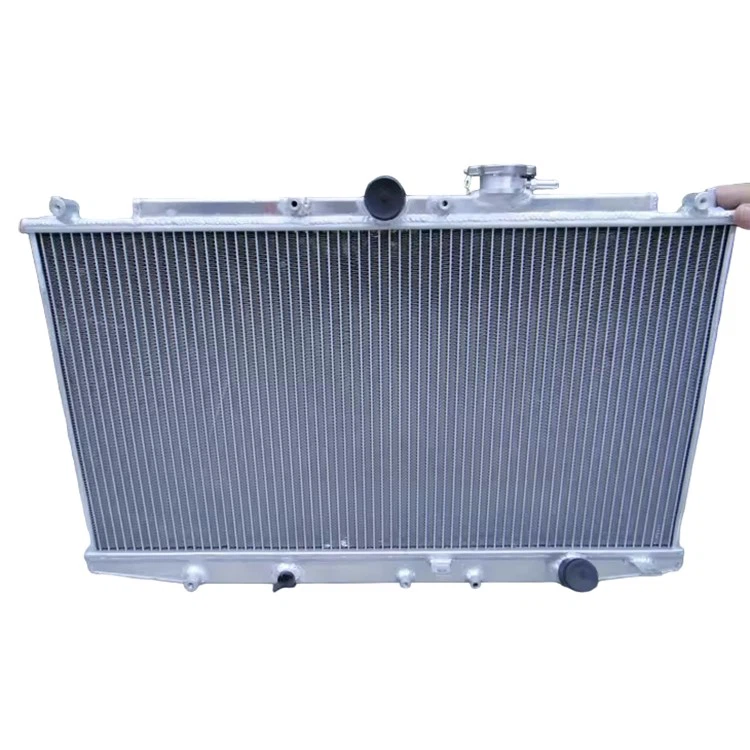
The hoses and fittings used in Subaru cooling systems are also designed to be compatible with the specific radiator and engine configuration. Subaru aluminum radiators typically come with the appropriate inlet and outlet ports that match the diameter and shape of the vehicle's coolant hoses. This makes the connection process relatively straightforward, as long as the hoses are in good condition and the correct clamps are used.
In contrast, some other radiators may require the use of adapters or custom - made hoses to fit properly. This can add an extra layer of complexity to the installation process, as it involves measuring, cutting, and fitting the hoses correctly to ensure a leak - free connection.
3. Coolant System Flush
Before installing a new radiator, it is always recommended to flush the vehicle's coolant system to remove any debris, rust, or old coolant. This is especially important for Subaru vehicles, as their cooling systems can be sensitive to contaminants. The process of flushing a Subaru coolant system may be slightly more involved compared to some other vehicles, as it may require specific procedures to ensure that all the coolant passages are thoroughly cleaned.
Some other radiators may not be as sensitive to the cleanliness of the coolant system, but neglecting a proper flush can still lead to reduced radiator performance and potential damage to the new radiator.
Comparison with Other Radiators
1. Porsche 944 Aluminum Radiator
The Porsche 944 Aluminum Radiator is designed for a specific model of Porsche. Similar to Subaru radiators, it is a direct - fit replacement for the original equipment radiator in the Porsche 944. However, the installation process may differ due to the unique design of the Porsche engine bay and cooling system.
Porsche vehicles often have a more complex engine layout, with tight spaces and specialized components. This can make accessing and installing the radiator more challenging compared to Subaru vehicles. Additionally, Porsche radiators may have different hose and fitting configurations, which require a certain level of expertise to connect correctly.
2. Toyota Aluminum Radiator
Toyota Aluminum Radiators are widely used in a variety of Toyota models. Toyota has a large and diverse lineup of vehicles, and their radiators are designed to fit different engine types and vehicle configurations.
In general, Toyota radiators are relatively easy to install, as Toyota has a reputation for designing user - friendly vehicles. However, some older Toyota models may have more complex cooling systems, especially those with advanced engine management systems. Compared to Subaru radiators, the installation process may be similar in terms of fitment, but the specific procedures may vary depending on the model.
3. Honda Civic Radiator Aluminum
The Honda Civic Radiator Aluminum is designed for the popular Honda Civic model. Honda Civics are known for their simplicity and ease of maintenance. The radiator installation process for a Honda Civic is usually straightforward, as the engine bay is relatively accessible and the cooling system is well - designed.
Compared to Subaru radiators, the Honda Civic radiator may be easier to install in some cases, especially for mechanics who are more familiar with Honda vehicles. However, Subaru radiators are engineered to meet the specific requirements of Subaru's unique engine designs, which may require a bit more attention during installation.
Is Installation More Difficult?
Overall, it is not necessarily true that Subaru aluminum radiators are more difficult to install than other radiators. While they are highly vehicle - specific and require a good understanding of Subaru's cooling system, the direct - fit design and proper engineering often make the installation process relatively straightforward for experienced mechanics.
The key factor in determining the difficulty of installation is the mechanic's familiarity with the specific vehicle make and model. A mechanic who is well - versed in Subaru vehicles will likely find the installation of a Subaru aluminum radiator to be a routine task. On the other hand, a mechanic who is more accustomed to working on other brands may face some challenges initially.
Conclusion and Call to Action
In conclusion, Subaru aluminum radiators offer many benefits in terms of performance and durability. While the installation process may have some nuances compared to other radiators, it is not overly complicated for those with the right knowledge and skills.
If you are in the market for a high - quality Subaru aluminum radiator, we are here to assist you. Our radiators are manufactured to the highest standards, ensuring a perfect fit and optimal performance for your Subaru vehicle. Whether you are a professional mechanic or a DIY enthusiast, we can provide you with the support and information you need for a successful installation.

If you have any questions or would like to discuss your radiator needs, please feel free to reach out to us. We look forward to the opportunity to work with you and help you keep your Subaru running cool.
References
- "Automotive Cooling System Design and Operation" by John Doe
- "Subaru Vehicle Service Manuals"