


Aluminum radiators are widely used in modern cooling systems because they offer a practical balance of heat transfer, low weight, corrosion resistance under suitable coolant conditions, manufacturability, and cost control. For B2B buyers, the real question is not simply whether aluminum is "better," but whether an aluminum radiator matches the application, installation space, operating environment, and supply requirements.
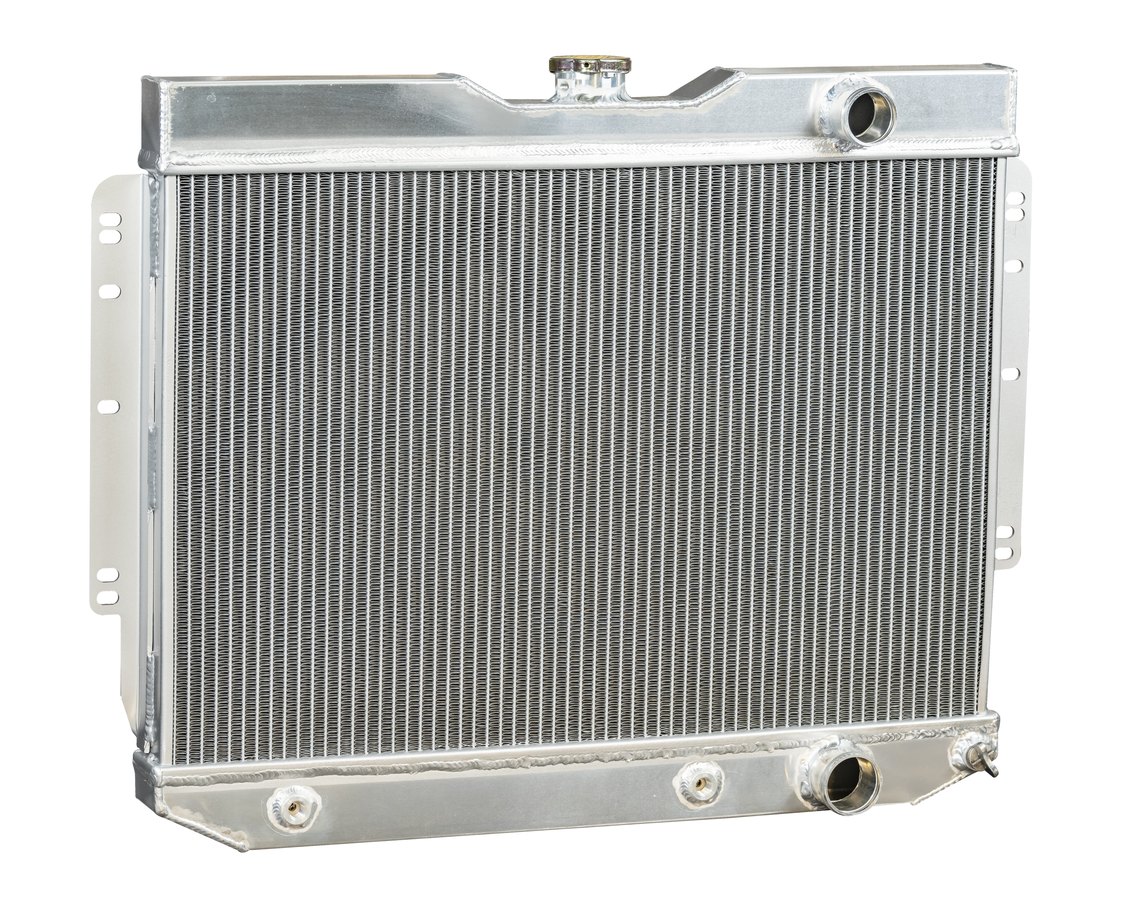
Aluminum radiators are widely used because they combine heat-transfer surface area, manageable weight, and manufacturable structure in one cooling component.
Alt text: Aluminum radiator with dense cooling fins for modern cooling systems
Modern cooling systems are asked to do more in less space. Vehicles carry more compact engine bays and auxiliary systems. Generator sets need stable heat rejection during long running hours. Construction and agricultural machines work in dust, vibration, and high-load conditions. Industrial equipment often has limited installation space but still needs predictable cooling performance. In many of these situations, aluminum has become a common radiator material because it solves several engineering and production problems at the same time.
The common online answer is simple: aluminum is lightweight, conducts heat well, resists corrosion, and is cost-effective. That answer is useful, but it is not complete enough for a buyer choosing radiators for vehicles, machinery, generators, air compressors, or industrial cooling systems. A better way to understand aluminum radiator adoption is to look at the cooling system as a whole: how heat moves, how air flows, how the product is manufactured, how much weight the system can tolerate, and how reliably the supplier can repeat the design.
The Cooling System Problem Aluminum Helps Solve
A radiator is not an isolated metal part. It is a heat exchanger inside a larger cooling system. Britannica's cooling system overview explains that an automotive cooling system includes coolant passages, the radiator, water pump, thermostat, and fan working together. In practical terms, the radiator must receive hot coolant, spread heat into the tube and fin structure, and release that heat to moving air.
This system-level role explains why aluminum is so widely used. A radiator material must support heat transfer, but it must also be light enough, formable enough, durable enough, and economical enough for repeated production. Copper has high thermal conductivity, but material choice in a radiator is not based on conductivity alone. Tube size, fin density, airflow, core thickness, coolant flow, pressure requirement, corrosion control, and production method all influence real cooling performance.
For B2B buyers, this means a radiator should be evaluated as a cooling component, not as a material label. Two aluminum radiators can perform very differently if one has a better core design, more suitable airflow path, stronger mounting structure, or more reliable testing process. Aluminum makes modern radiator design practical, but the final result still depends on engineering and manufacturing control.
Reason 1: Aluminum Gives a Strong Heat-Transfer-to-Weight Balance
Aluminum is widely used because it provides useful thermal performance at a relatively low weight. This is important in vehicles, mobile equipment, generator sets, and many compact industrial systems where every kilogram and every millimeter of space can matter. The U.S. Department of Energy notes that lightweight materials, including aluminum alloys, can reduce vehicle weight and support fuel economy improvements in vehicle design. That broader lightweighting logic is one reason aluminum components have become common in modern transportation systems.
In radiator design, weight matters in several ways. A lighter radiator can reduce load on mounting points. It can make installation and service easier. It can help engineers manage the total system weight when fans, shrouds, brackets, hoses, coolant, and packaging are included. For export buyers, product weight can also affect handling and shipping calculations, especially when radiators are ordered in volume.
Aluminum's heat-transfer-to-weight balance is often more important than comparing raw thermal conductivity numbers. The radiator has to move heat from coolant to metal and then from metal to air. The fin and tube design creates a large surface area for air contact. Because aluminum can be formed into thin fins, tubes, tanks, and core structures, it supports efficient radiator geometry without making the product excessively heavy.
Reason 2: Aluminum Supports Compact Core and Fin Structures
Modern cooling systems often need high heat rejection within limited space. Aluminum can be formed into radiator cores with dense fins, tubes, tanks, brackets, and connection points. This makes it suitable for different designs, including automotive radiators, truck radiators, generator radiators, oil coolers, intercoolers, condensers, and other heat exchangers.
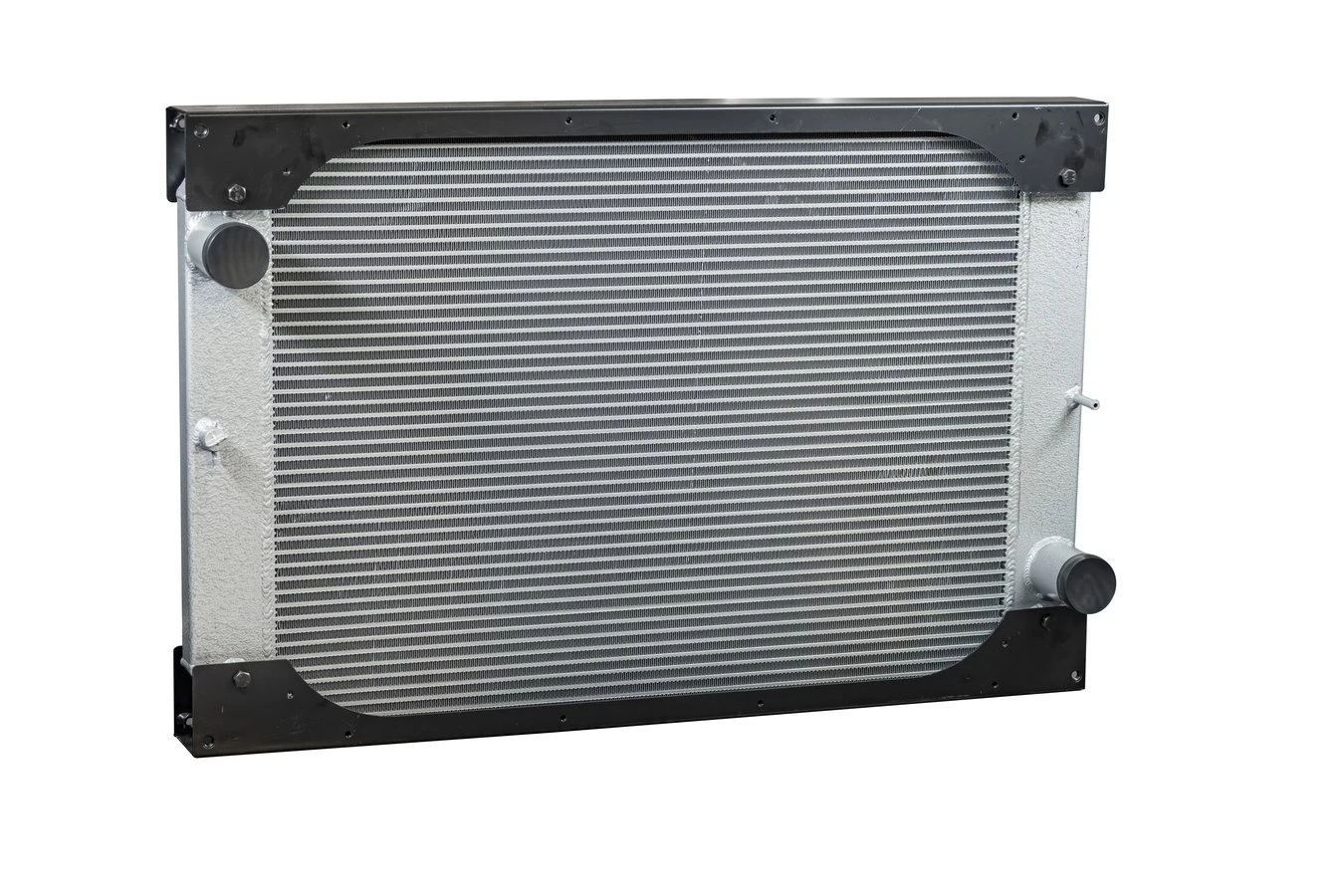
Aluminum can be formed into radiator and heat-exchanger structures with tubes, fins, tanks, brackets, and integrated connection points.
Alt text: Aluminum heat exchanger core structure with fins and tanks
The European Aluminium automotive heat exchanger manual describes engine cooling radiators as heat exchangers where hot coolant enters the radiator, flows through tubes, and releases heat to the atmosphere, often with fan-assisted airflow. This basic heat-exchange path depends heavily on the core structure. The material must support thin, repeatable, and stable shapes so the radiator can provide enough surface area for airflow.
This is one reason aluminum has replaced many older radiator constructions in modern applications. It is not just a metal choice; it is a manufacturing platform. Radiator suppliers can design different core sizes, thicknesses, fin patterns, tank arrangements, and port layouts for different applications. For a custom project, the buyer may need a radiator that fits a specific installation space, matches an existing sample, or adapts to a fan/shroud assembly. Aluminum is often practical for these variations because it can be manufactured into a wide range of radiator structures.
Reason 3: Aluminum Helps Reduce System Weight Without Losing Practical Strength
Modern cooling systems are often connected to vehicle efficiency, equipment handling, and packaging design. A radiator that is too heavy can create stress on brackets, complicate installation, and increase shipment burden. Aluminum helps reduce weight while still allowing enough strength when the structure is properly designed.
This does not mean aluminum is automatically suitable for every environment. Heavy-duty trucks, construction machinery, agricultural machinery, and generator sets may face vibration, dust, long running hours, and difficult service conditions. The supplier must consider core strength, mounting points, bracket design, welding or brazing quality, pressure requirements, and packaging protection. A lightweight radiator is only useful if it can survive the application.
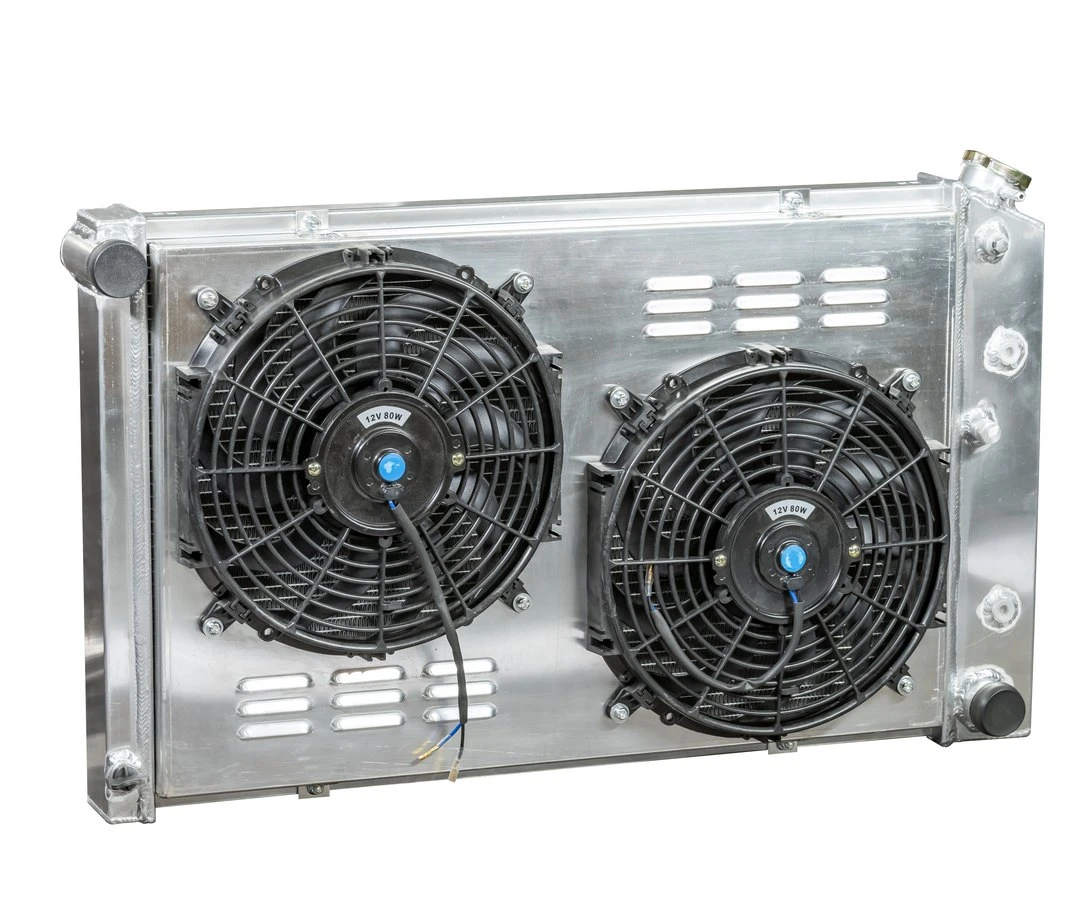
Modern cooling design often considers the radiator together with fan space, shroud layout, airflow path, and mounting structure.
Alt text: Aluminum radiator with fan assembly for integrated cooling system design
For B2B buyers, the key question is whether the supplier can connect material choice to the operating conditions. If the radiator is for a passenger vehicle replacement, fitment and model matching may dominate the discussion. If it is for a generator set or heavy-duty vehicle, vibration, running hours, fan arrangement, and maintenance access may become more important. Aluminum gives the design team a strong starting point, but it does not remove the need for application-specific review.
Reason 4: Aluminum Offers Useful Corrosion Resistance When the System Is Managed Correctly
Aluminum naturally forms an oxide layer that helps protect the surface under many suitable conditions. This is one reason aluminum radiators are widely used in vehicles and equipment. However, corrosion resistance should never be described as unlimited. Coolant chemistry, water quality, operating temperature, mixed metals, maintenance habits, and environmental exposure all affect radiator life.
This is where many online explanations become too simple. It is easy to say that aluminum resists corrosion, but buyers need a more practical statement: aluminum radiators can provide good corrosion resistance when the cooling system uses suitable coolant, proper maintenance, and compatible materials. If the coolant is wrong, if the system mixes incompatible metals, or if water quality is uncontrolled, corrosion risk can increase.
For procurement, this means buyers should ask about application conditions and maintenance expectations. What coolant will be used? Is the radiator exposed to salt, dust, fertilizer, or chemical environments? Is the equipment serviced regularly? Is the radiator for a new design or replacement? A reliable supplier should be able to discuss these points without turning corrosion resistance into an absolute promise.
Reason 5: Aluminum Fits Scalable Manufacturing and Customization
Aluminum radiators are common partly because they fit scalable manufacturing. Modern radiator production can involve core assembly, brazing, welding, pressure testing, leak testing, dimensional inspection, and packaging. When these processes are controlled, suppliers can produce both standard and customized radiator designs with repeatable results.
Technical references on aluminum heat exchangers often discuss controlled process steps such as assembly, cleaning, fluxing, drying, brazing, and inspection. An ASTM paper summary discusses controlled atmosphere brazing for aluminum automobile and truck heat exchangers. These process considerations matter because the final radiator is not only a block of aluminum; it is an assembled heat exchanger that must hold pressure, fit the equipment, and survive shipment.
Scalable manufacturing is important for B2B buyers because many radiator projects begin with one sample but later require repeat orders. If the supplier can keep drawings, sample records, core dimensions, port positions, mounting details, and testing requirements consistent, aluminum radiator production can support long-term supply. If those records are not controlled, even a good first sample may not lead to stable repeat orders.
Where Aluminum Radiators Are Commonly Used
Aluminum radiators and heat exchangers are used across many cooling scenarios. The exact design may differ, but the material advantages are similar: manageable weight, practical heat transfer, manufacturable core structures, and suitability for repeated production.
|
Application Area |
Why Aluminum Is Often Used |
Buyer Focus |
|
Passenger vehicles |
Lightweight structure, compact engine bay fit, broad replacement demand |
OE number, dimensions, fan/shroud space, packaging |
|
Heavy-duty trucks |
Heat rejection, serviceability, weight control, production repeatability |
Vibration, mounting strength, pressure test, delivery consistency |
|
Generator sets |
Stable cooling for long running hours and enclosed equipment layouts |
Engine power, airflow, ambient temperature, core size |
|
Construction and agricultural machinery |
Cooling under dust, vibration, load variation, and tough service environments |
Durability, bracket design, fin protection, maintenance access |
|
Air compressors and industrial equipment |
Compact cooling, custom layout, integration with machine design |
Installation space, operating environment, pressure and leakage testing |
|
New energy and special equipment |
Custom heat dissipation solutions and lightweight design requirements |
Drawings, thermal conditions, connection layout, documentation |
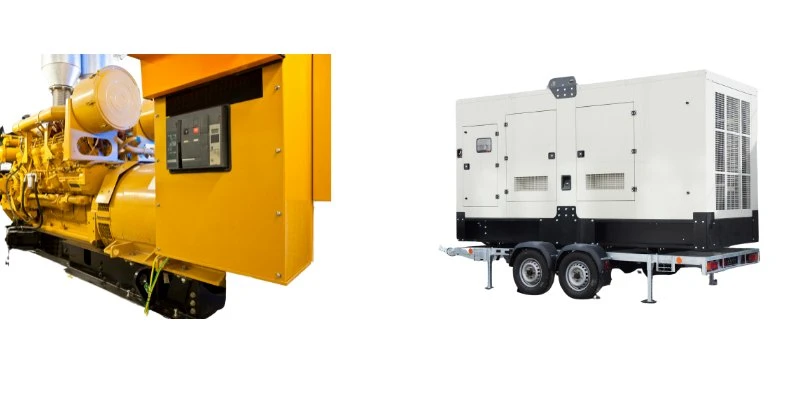
Power equipment, generators, vehicles, and industrial systems may need different radiator dimensions, airflow arrangements, and durability requirements.
Alt text: Generator and power equipment applications for aluminum radiator cooling systems
Zuoer Radiator's website lists aluminum radiators and related cooling products for automobiles, construction machinery, agricultural machinery, generator sets, air compressors, oil radiators, intercoolers, and new energy vehicle radiators. Buyers can review Zuoer's radiator product applications and aluminum radiator products to see whether the supplier's product direction matches their cooling project.
Aluminum vs. Copper/Brass and Plastic-Tank Radiators: The Practical Difference
Material comparisons often oversimplify radiator choice. Copper has excellent thermal conductivity. Copper/brass radiators may be repairable in some markets and may fit certain older vehicle or industrial preferences. Plastic-tank aluminum-core radiators can be cost-effective and common in many vehicles. All-aluminum radiators may be preferred when buyers need welded tanks, customization, strength, or specific performance and durability expectations.
The practical question is not which material wins in every case. It is which construction suits the application, budget, service environment, and supply chain. A radiator for a classic vehicle, a racing application, a generator set, a truck fleet, and a compact industrial machine may each require a different material and structure decision.
For many modern systems, aluminum is widely used because it gives engineers and buyers a balanced solution. It supports heat-transfer structures, controls weight, allows broad manufacturing options, and can be adapted for many applications. But aluminum still requires proper coolant, suitable design, reliable welding or brazing, pressure testing, leak testing, and careful packaging.
When Aluminum May Not Be the Best Choice
A balanced article should also explain the limits. Aluminum radiators may not be ideal when the cooling system has poor coolant control, incompatible mixed metals, extreme chemical exposure, a market preference for repairable copper/brass units, or a design where the supplier cannot confirm the correct structure. In some applications, repair method, field service habits, and local replacement availability matter as much as heat transfer.
Buyers should also be careful with low-cost aluminum radiators that do not provide clear dimensional control or testing. A product can be made from aluminum and still fail if the core is wrong, if weld quality is poor, if mounting points are inaccurate, or if packaging allows fin damage during shipment. Material choice cannot replace supplier capability.
This is especially important for custom aluminum radiator projects. If the buyer only sends a product name, the supplier may not have enough information to recommend the right structure. Drawings, old radiator photos, samples, core dimensions, inlet and outlet details, mounting points, fan space, and application conditions are still needed. Zuoer's guide on what information buyers should provide before ordering a custom radiator is relevant for this stage.
How Buyers Should Evaluate Aluminum Radiators for Modern Cooling Systems
Instead of asking whether aluminum is good, buyers should ask whether a specific aluminum radiator is suitable for the system. The following decision map is more useful than a generic material claim.
|
Decision Point |
What to Check |
Why It Matters |
|
Heat load and application |
Engine power, equipment type, working temperature, ambient conditions |
Confirms whether radiator capacity and airflow are realistic |
|
Space and mounting |
Overall size, core size, thickness, bracket points, fan/shroud clearance |
Prevents installation problems |
|
Core and material structure |
Tube/fin arrangement, tank construction, welding or brazing method |
Affects heat transfer, durability, and repeatability |
|
Coolant and corrosion control |
Coolant type, water quality, maintenance cycle, mixed metals |
Reduces corrosion and service-life risks |
|
Testing and quality control |
Pressure test, leak test, dimensional inspection, packaging inspection |
Protects shipment and repeat-order reliability |
|
Supply repeatability |
Drawing records, sample approval, batch consistency, packaging records |
Helps buyers reorder the same radiator later |
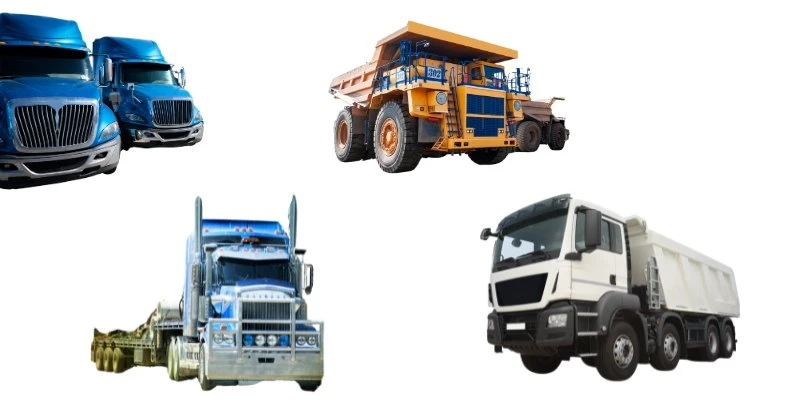
Heavy-duty cooling projects require material choice to be balanced with vibration, operating hours, service access, and packaging requirements.
Alt text: Heavy-duty truck applications for aluminum radiator cooling systems
This evaluation method is useful for buyers comparing suppliers. A manufacturer should be able to discuss the radiator as part of a system, not only as a product photo. If the application is standard, the supplier should help confirm model fit. If it is custom, the supplier should ask for enough technical information to review the design before quoting. If the project is for repeat supply, the supplier should keep specification and inspection records.
What This Means for B2B Radiator Sourcing
Aluminum radiators are widely used because they meet several modern cooling requirements at once. They are light enough for mobile and compact equipment, conductive enough for efficient heat exchanger structures, formable enough for different core designs, and scalable enough for standard and custom production. This combination explains why aluminum appears across vehicles, generators, construction machinery, agricultural equipment, compressors, and industrial cooling systems.
For buyers, the important takeaway is that aluminum is a strong material platform, not a guarantee by itself. The right radiator still depends on the application, core design, manufacturing process, pressure and leak testing, packaging, and supplier communication. A good supplier should help the buyer connect the material choice to the real cooling system.
Zuoer Radiator presents itself as an aluminum radiator manufacturer in China with aluminum radiator products and related cooling solutions. Buyers who are reviewing a project can compare the required application, drawings, sample details, dimensions, and operating conditions against the supplier's product range before discussing production. This keeps the sourcing process focused on fit and reliability rather than a generic claim that one material is always best.
FAQ
Are aluminum radiators better than copper radiators?
Not in every case. Copper has high thermal conductivity, but aluminum radiators are widely used because they provide a strong balance of heat transfer, low weight, manufacturability, corrosion resistance under suitable coolant conditions, and cost control. The best choice depends on the application, design, repair expectations, service environment, and supplier capability.
Why are aluminum radiators common in modern vehicles?
Modern vehicles need compact, lightweight, and manufacturable cooling components. Aluminum supports thin fin and tube structures, helps control radiator weight, and can be produced in repeatable designs for vehicle cooling systems. It also fits modern supply chains where consistency, testing, and packaging matter.
Can aluminum radiators be used for generators and industrial equipment?
Yes, aluminum radiators can be used for generator sets, air compressors, industrial cooling systems, and machinery when the design matches the heat load, airflow, vibration, installation space, and operating environment. Buyers should not assume that one standard radiator fits every application.
What information should buyers provide for a custom aluminum radiator?
Useful information includes drawings, old radiator photos, samples, overall dimensions, core size, inlet and outlet layout, mounting points, fan or shroud space, application, engine or equipment model, operating environment, quantity, packaging requirements, and destination market.
What is the main risk when choosing an aluminum radiator?
The main risk is choosing by material name alone. Aluminum is widely used, but performance depends on core design, airflow, coolant flow, corrosion control, manufacturing quality, pressure testing, leak testing, and correct fitment. Buyers should evaluate the full cooling system and supplier process before confirming an order.


