

Can a champion aluminum radiator be used in a modified engine?
When it comes to modifying an engine, one of the critical considerations is the cooling system. A well - functioning cooling system is essential to prevent overheating, which can lead to severe engine damage. As a supplier of champion aluminum radiators, I am often asked whether our radiators can be used in modified engines. In this blog, I will explore this question in detail.
Understanding Modified Engines
Modified engines are engines that have been altered from their original factory specifications. These modifications can range from simple bolt - on upgrades like air intakes and exhaust systems to more complex changes such as engine block machining, turbocharging, or supercharging. The primary goal of engine modification is usually to increase power output, improve performance, or enhance fuel efficiency.
However, these modifications often result in increased heat generation. For example, adding a turbocharger forces more air into the engine, allowing it to burn more fuel and produce more power. But this process also generates a significant amount of additional heat. If the cooling system is not adequate to handle this extra heat, the engine can overheat, leading to reduced performance, increased wear and tear, and potentially catastrophic engine failure.
The Advantages of Champion Aluminum Radiators
Champion aluminum radiators offer several advantages that make them a suitable option for modified engines.
1. High Thermal Conductivity
Aluminum is an excellent conductor of heat. Compared to traditional copper - brass radiators, aluminum radiators can transfer heat more efficiently. This means that they can dissipate the excess heat generated by a modified engine more effectively, helping to keep the engine at an optimal operating temperature.
2. Lightweight
Weight is a crucial factor in performance vehicles. A lighter radiator reduces the overall weight of the vehicle, which can improve acceleration, handling, and fuel efficiency. Champion aluminum radiators are significantly lighter than their copper - brass counterparts, making them an ideal choice for modified engines where every pound counts.
3. Corrosion Resistance
Aluminum has a natural oxide layer that provides excellent corrosion resistance. This is particularly important in modified engines, which may be exposed to more extreme operating conditions. A corrosion - resistant radiator will have a longer lifespan and require less maintenance, ensuring reliable performance over time.
4. Customizability
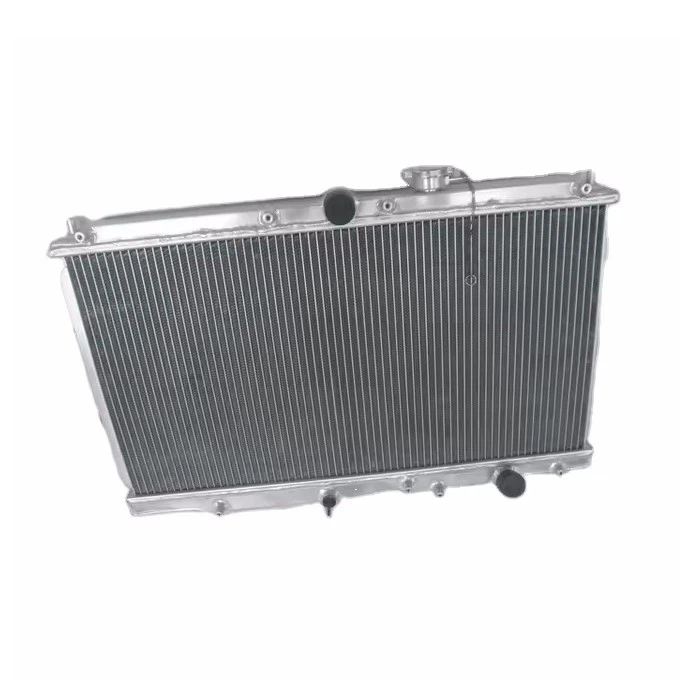
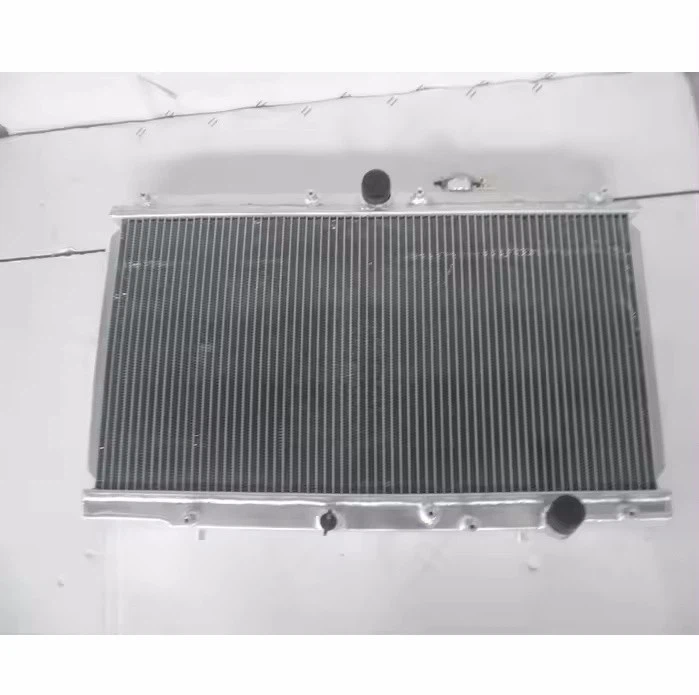
As a supplier, we understand that every modified engine is unique. Champion aluminum radiators can be customized to fit specific engine requirements. Whether it's a different size, shape, or cooling capacity, we can work with customers to design a radiator that meets their exact needs. For example, if you are looking for a radiator for a specific model, you can check out our Vw Mk1 Aluminum Radiator, Honda Aluminum Radiator, or Mazda Rx7 Aluminum Radiator.
Considerations When Using a Champion Aluminum Radiator in a Modified Engine
While champion aluminum radiators offer many benefits for modified engines, there are some considerations to keep in mind.
1. Cooling Capacity
It's essential to ensure that the radiator has sufficient cooling capacity for the modified engine. This requires calculating the additional heat generated by the modifications and selecting a radiator that can handle that load. Factors such as the type of modification (e.g., turbocharging, supercharging), the engine's displacement, and the intended use of the vehicle (e.g., street driving, racing) all need to be taken into account.
2. Compatibility
The radiator must be compatible with the rest of the cooling system components, including the water pump, thermostat, and hoses. Modifications to the engine may also require changes to the cooling system layout, so it's important to ensure that the radiator can be integrated seamlessly.
3. Maintenance
Although aluminum radiators are corrosion - resistant, they still require proper maintenance. Regularly flushing the cooling system and using the correct coolant can help prevent the buildup of debris and scale, which can reduce the radiator's efficiency.
Case Studies
Let's look at a few case studies to illustrate the effectiveness of champion aluminum radiators in modified engines.
Case 1: Turbocharged Honda Civic
A customer modified their Honda Civic by adding a turbocharger to increase power. The stock radiator was unable to handle the additional heat generated by the turbocharger, and the engine frequently overheated. After installing a champion aluminum radiator, specifically designed for the Honda engine, the engine temperature dropped significantly. The customer reported improved performance and no more overheating issues, even during aggressive driving. You can explore our Honda Aluminum Radiator for similar applications.
Case 2: Supercharged Mazda RX - 7
Another customer supercharged their Mazda RX - 7. The increased boost pressure and power output led to excessive heat in the engine. A custom - made champion aluminum radiator was installed, which was optimized for the unique requirements of the RX - 7's rotary engine. The radiator effectively dissipated the extra heat, allowing the engine to run smoothly and reliably. For Mazda RX7, our Mazda Rx7 Aluminum Radiator is a great option.
Conclusion
In conclusion, champion aluminum radiators can be an excellent choice for modified engines. Their high thermal conductivity, lightweight design, corrosion resistance, and customizability make them well - suited to handle the increased heat generated by engine modifications. However, it's important to carefully consider the cooling capacity, compatibility, and maintenance requirements to ensure optimal performance.
If you are considering modifying your engine or are experiencing cooling issues with your existing modified engine, I encourage you to explore our range of champion aluminum radiators. We have a team of experts who can help you select the right radiator for your specific needs. Contact us today to start the conversation about how we can provide the perfect cooling solution for your modified engine.
References
- Heywood, J. B. (1988). Internal Combustion Engine Fundamentals. McGraw - Hill.
- Taylor, C. F. (1966). The Internal Combustion Engine in Theory and Practice. MIT Press.


